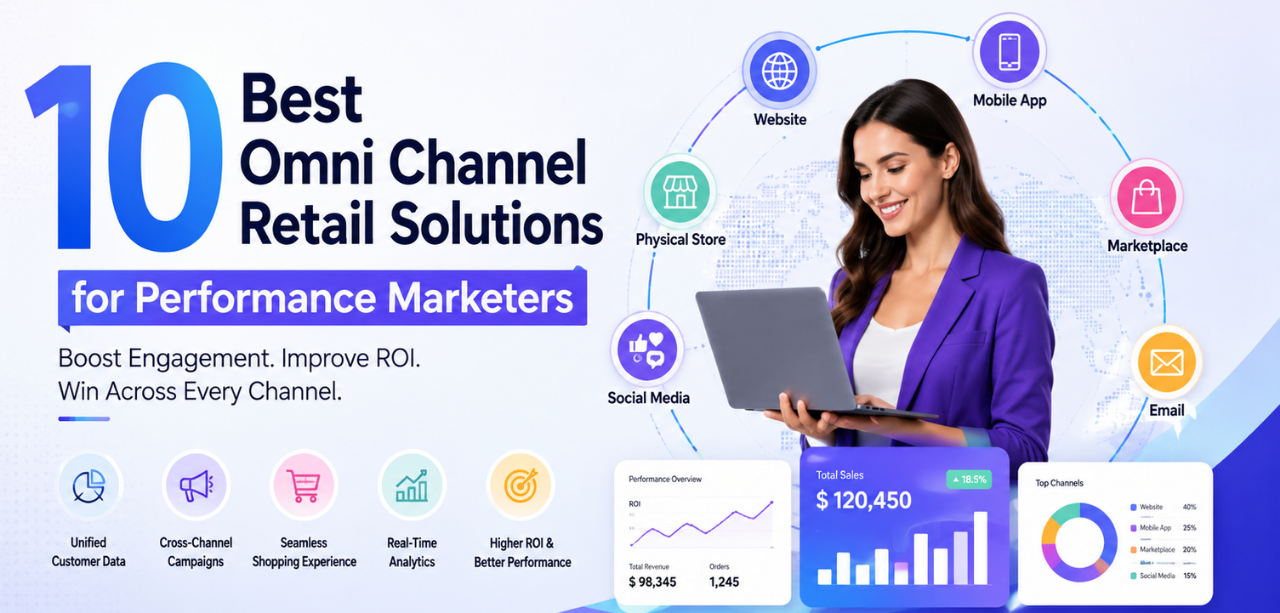
10 Best Omni Channel Retail Solutions for Performance Marketers
Introduction
Think about the last time you browsed a product on your phone, added it to your cart on a laptop, and then picked it up in-store. That seamless experience didn’t happen by accident — it was powered by omni channel retail solutions working behind the scenes.
For performance marketers in 2026, this isn’t optional anymore. Customer journeys now span websites, mobile apps, marketplaces, social commerce platforms, and physical stores — all at the same time. If your marketing stack isn’t connected, you’re flying blind.
The biggest challenges? Data fragmentation, murky attribution, poor customer retention, and missed personalization opportunities. The good news: the right omni channel platform brings everything together, helping you optimize campaigns, prove ROI, and deliver consistent experiences across every touchpoint.
This guide breaks down the 10 best omni channel retail solutions designed specifically for performance marketers — so you can pick the right fit for your team and your goals.
What Are Omni Channel Retail Solutions?
Omni channel retail solutions are integrated technology platforms that unify all your sales channels, customer data, and marketing operations into one connected system.
The key word here is unified. While multichannel retail simply means selling on multiple platforms (website, app, store), omnichannel retail means those platforms actually talk to each other. A customer’s cart, purchase history, browsing behavior, and preferences follow them seamlessly from one channel to the next.
In practice, this looks like:
- Website + app + physical store integration — inventory, pricing, and customer data synced in real time
- Social commerce integration — connecting Instagram Shops, TikTok Shop, and Pinterest directly into your fulfillment and analytics pipeline
- Unified customer data — a single customer profile that captures every interaction, regardless of channel
For modern retail marketing, this integration is everything. Without it, you’re managing silos — and silos kill growth.
Why Performance Marketers Need Omni Channel Retail Solutions
Performance marketing is all about measurable results. But when your data is scattered across five platforms, how do you know which campaign actually drove the sale?
Here’s why omni channel solutions have become essential tools for performance marketers:
Better attribution tracking. When a customer sees a Facebook ad, clicks a Google Shopping result, and then converts through an email — which channel gets credit? Omni channel solutions track the full journey, giving you accurate multi-touch attribution instead of last-click guesswork.
Improved ROAS. When you understand exactly which touchpoints drive conversions, you can reallocate budget with confidence. Brands using unified retail platforms report measurably better return on ad spend compared to fragmented setups.
Cross-platform customer insights. Instead of separate dashboards for email, paid ads, and in-store data, you get one unified view. This means smarter audience segmentation and tighter targeting.
Automated personalization. AI-powered omni channel platforms can trigger personalized product recommendations, win-back emails, and dynamic ads in real time — without manual effort.
Real-time analytics. Performance marketers need to react fast. Unified reporting lets you spot trends and underperforming campaigns the moment they happen, not a week later.
10 Best Omni Channel Retail Solutions for Performance Marketers
1. Shopify Plus
Overview: Shopify Plus is the enterprise tier of Shopify, built for high-volume DTC and retail brands that need powerful omnichannel capabilities without heavy developer dependency.
Key Features: Unified POS and ecommerce, multi-storefront management, built-in checkout customization, Flow automation, and extensive app marketplace.
Best For: Mid-to-large DTC brands and fast-growing ecommerce retailers.
Pros: Easy to use, massive ecosystem, excellent third-party integrations.
Limitations: Transaction fees unless using Shopify Payments; customization ceiling compared to open-source platforms.
Pricing: Starts at ~$2,000/month.
2. Salesforce Commerce Cloud
Overview: A powerhouse platform for enterprise retailers, Salesforce Commerce Cloud offers deep CRM integration, AI-driven product recommendations, and strong B2C and B2B capabilities.
Key Features: Einstein AI personalization, unified order management, seamless Salesforce CRM integration, and headless commerce support.
Best For: Enterprise retailers with large customer databases and complex sales cycles.
Pros: Deep data capabilities, excellent CRM sync, strong support ecosystem.
Limitations: High cost and significant implementation time.
Pricing: Custom enterprise pricing.
3. Adobe Commerce (Magento)
Overview: Adobe Commerce gives performance marketers a highly customizable open-source foundation with enterprise-grade analytics through Adobe Experience Cloud.
Key Features: Flexible architecture, native B2B and B2C support, Adobe Analytics integration, and advanced segmentation.
Best For: Tech-savvy teams who need deep customization and large product catalogs.
Pros: Extremely flexible, strong community, powerful data layer.
Limitations: Requires developer resources; total cost of ownership can be high.
Pricing: Adobe Commerce Pro starts around $22,000+/year.
4. HubSpot
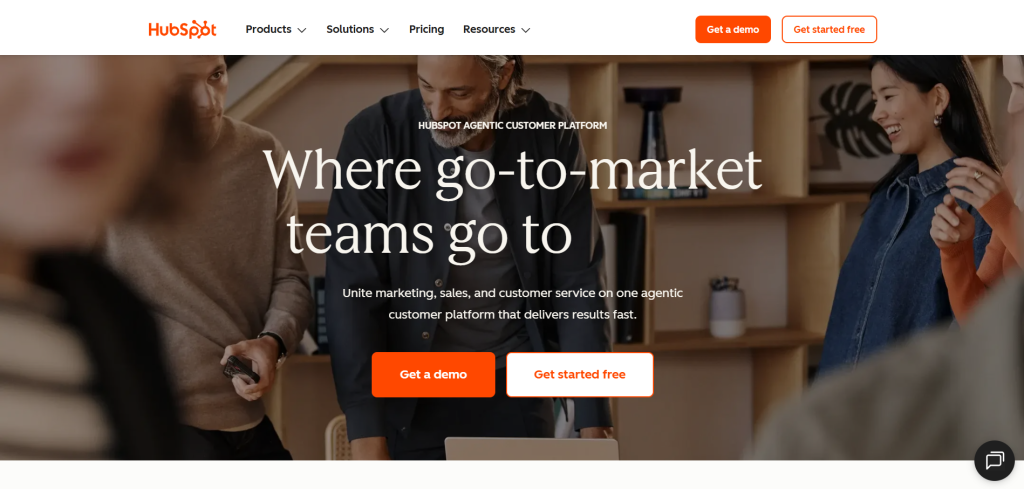
Overview: HubSpot isn’t a traditional retail platform, but for performance marketers focused on inbound and lifecycle marketing, its CRM, email, and ad management tools make it a strong omnichannel layer.
Key Features: Unified CRM, email and SMS automation, ad management, reporting dashboards, and customer journey mapping.
Best For: Ecommerce brands prioritizing email-driven growth and customer lifecycle marketing.
Pros: Excellent UX, strong analytics, great for inbound marketing.
Limitations: Less specialized for retail inventory or POS integration.
Pricing: Marketing Hub starts at $800/month (Professional).
5. Klaviyo
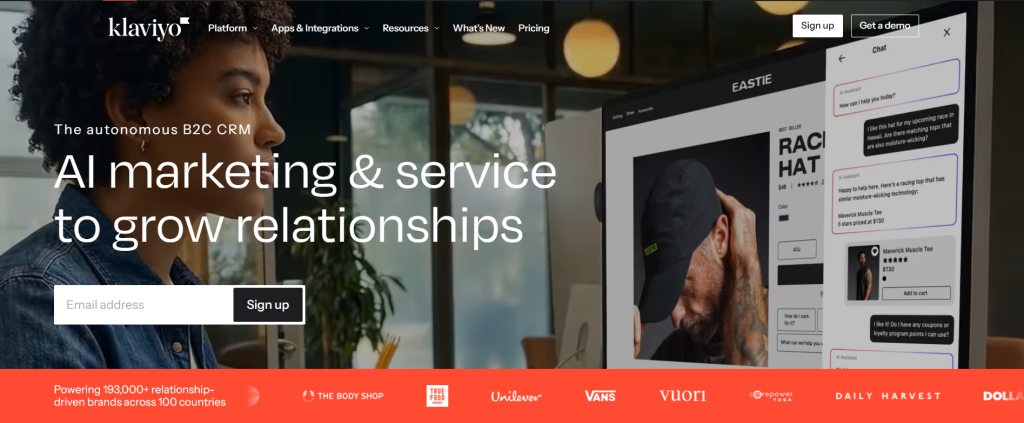
Overview: Klaviyo is the go-to retail marketing platform for email and SMS automation, particularly popular among Shopify brands.
Key Features: Behavioral segmentation, predictive analytics, A/B testing, abandoned cart flows, and deep ecommerce integrations.
Best For: DTC brands looking to maximize revenue from email and SMS channels.
Pros: Powerful segmentation, excellent deliverability, strong ROI tracking.
Limitations: Primarily email/SMS — needs to be paired with other tools for full omnichannel coverage.
Pricing: Free plan available; scales with contact list size.
6. Segment (by Twilio)
Overview: Segment is a customer data platform (CDP) that collects, unifies, and routes customer data across every tool in your stack — making it a critical backbone for omnichannel marketing.
Key Features: Real-time data collection, 400+ integrations, audience building, and identity resolution.
Best For: Performance marketing teams that need a centralized data layer to power all other tools.
Pros: Best-in-class data unification, flexible pipelines, strong developer support.
Limitations: Requires technical setup; not a standalone marketing tool.
Pricing: Free tier available; paid plans from ~$120/month.
7. Braze
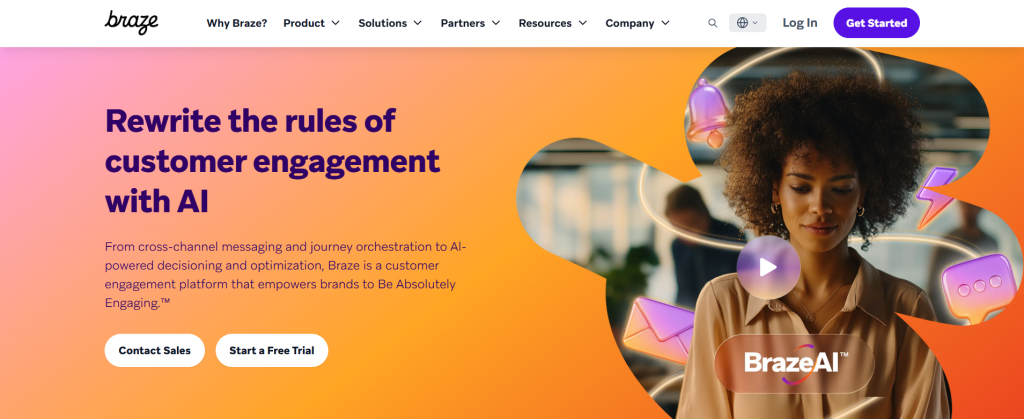
Overview: Braze is a leading customer engagement platform built for real-time, cross-channel personalization at scale.
Key Features: Push notifications, in-app messaging, email, SMS, and Connected Content for live data personalization.
Best For: Mobile-first brands and large retailers with high-frequency customer communication needs.
Pros: Exceptional real-time capabilities, strong lifecycle marketing tools, great for retention.
Limitations: Steep learning curve; enterprise pricing.
Pricing: Custom pricing based on MAUs.
8. Bloomreach
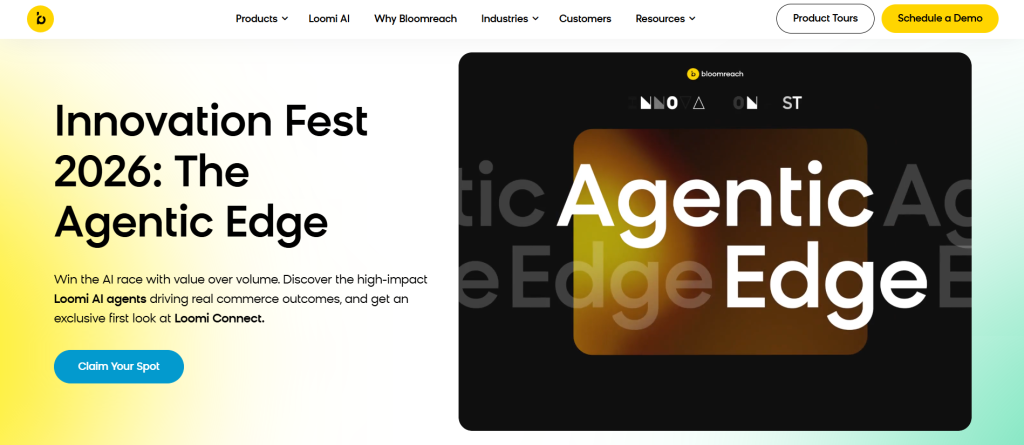
Overview: Bloomreach combines a CDP, marketing automation, and AI-powered search and merchandising into one platform — making it one of the most complete retail marketing platforms available.
Key Features: AI-driven product discovery, personalized email campaigns, SEO optimization, and unified customer profiles.
Best For: Mid-to-large retailers who want personalization and search capabilities in one place.
Pros: Strong AI layer, excellent for product discovery, covers both acquisition and retention.
Limitations: Complex to implement fully; premium pricing.
Pricing: Custom enterprise pricing.
9. Performoo
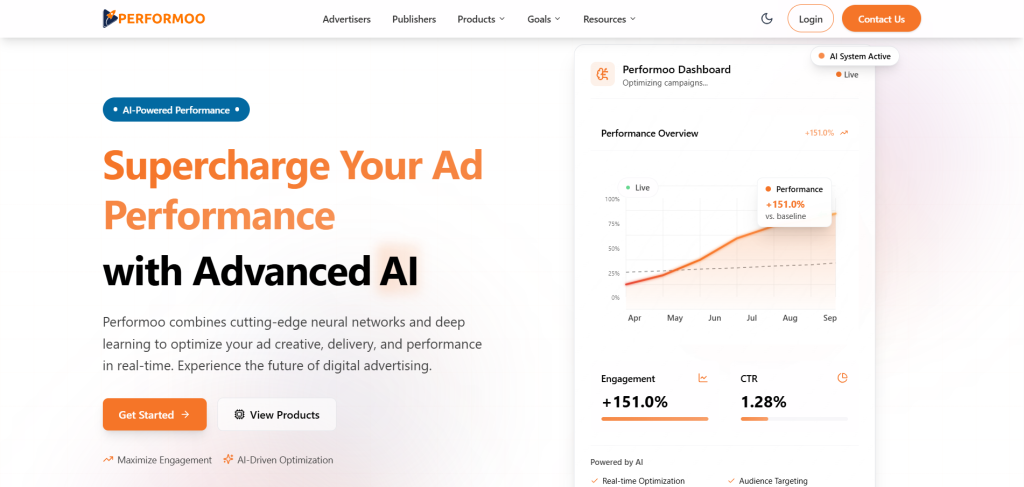
Overview: Performoo is a growing solution purpose-built for performance marketers in the retail space. It’s designed to simplify retail advertising workflows while delivering the cross-channel visibility that modern growth teams need.
Key Features: Cross-channel performance tracking, AI-driven marketing optimization, campaign management, and retail-focused ad insights.
Best For: Performance marketers and retail growth teams looking for a streamlined platform that bridges campaign data with actual sales performance.
Pros: Intuitive interface built with performance marketers in mind; strong AI-assisted optimization; useful for teams that want actionable retail analytics without navigating overly complex enterprise tools.
Limitations: Still scaling its feature set compared to longer-established platforms; best suited for brands actively investing in paid performance channels.
Pricing: Contact for pricing details.
10. Oracle Retail
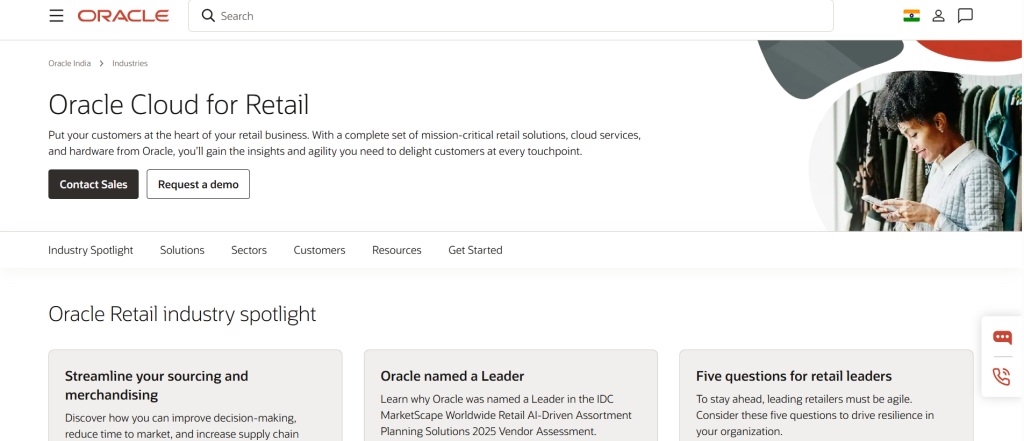
Overview: Oracle Retail is an enterprise-grade suite covering everything from supply chain and merchandising to customer engagement and analytics.
Key Features: Unified commerce platform, advanced inventory management, retail analytics, and AI-powered forecasting.
Best For: Large enterprise retailers with complex operations across multiple geographies and formats.
Pros: Incredibly deep functionality, strong analytics, enterprise reliability.
Limitations: Significant cost and implementation complexity; overkill for smaller brands.
Pricing: Custom enterprise pricing.
Key Features to Look for in Omni Channel Retail Solutions
Not all platforms are created equal. Here’s what to prioritize when evaluating your options:
- AI automation — Smart recommendations, predictive segmentation, and automated workflows save time and improve results.
- Customer journey tracking — You need a clear picture of how customers move from awareness to purchase across every channel.
- Attribution analytics — Multi-touch attribution is non-negotiable for performance marketers managing multiple paid channels.
- Ad platform integration — Native connections to Google Ads, Meta, TikTok, and programmatic platforms keep your data clean.
- CRM connectivity — Your retail platform should sync seamlessly with your CRM to power personalized outreach.
- Real-time reporting — Lagged data means missed opportunities. Look for platforms with live dashboards.
- Inventory synchronization — Prevent overselling and ensure accurate product availability across all channels.
- Personalization capabilities — Dynamic content, product recommendations, and triggered campaigns based on behavior.
- Scalability — Choose a platform that grows with your business, not one you’ll outgrow in 18 months.
How to Choose the Right Omni Channel Retail Solution
With so many options available, narrowing down the right fit requires a clear-eyed look at a few key factors:
Budget. Enterprise platforms like Salesforce Commerce Cloud or Oracle Retail come with significant price tags. If you’re a growing brand, mid-market solutions like Shopify Plus, Klaviyo, or Performoo often deliver strong results at a more accessible cost.
Business size. A 5-person DTC team and a 500-person enterprise retailer have very different needs. Match the platform’s complexity to your operational capacity.
Marketing goals. Are you focused on acquisition, retention, or both? Some platforms are built for lifecycle marketing (Klaviyo, Braze), while others offer full commerce suites (Shopify Plus, Adobe Commerce).
Integration requirements. Take stock of your existing tech stack. The best omni channel solution is one that plays well with your current CRM, ad platforms, and analytics tools.
Ease of use. Even the most powerful platform fails if your team doesn’t use it. Prioritize UX and training resources, especially for fast-moving performance marketing teams.
Data reporting needs. Performance marketers live in dashboards. Make sure your chosen solution offers the granularity, attribution models, and export options you actually need.
Conclusion
The shift toward integrated, data-driven retail marketing isn’t coming — it’s already here. Omni channel retail solutions have moved from a competitive advantage to a baseline requirement for any serious performance marketer or ecommerce brand.
The right platform doesn’t just connect your channels — it gives you the attribution clarity, personalization power, and real-time insights needed to consistently improve ROI and customer experience. Whether you’re a DTC brand scaling fast or an enterprise retailer managing thousands of SKUs, there’s a solution in this list built for your stage and goals.
The key is to start with your data, understand your customer journey, and choose a platform that brings it all together. With the tools outlined above, you’re well-positioned to build a marketing engine that actually performs.
Frequently Asked Questions
Q: What are omni channel retail solutions?
Ans: Omni channel retail solutions are integrated platforms that connect all of a retailer’s sales channels — including websites, apps, physical stores, and marketplaces — into a unified system. They centralize customer data, marketing automation, inventory, and analytics so that businesses can deliver consistent, personalized experiences across every touchpoint.
Q: Which omni channel retail platform is best for ecommerce brands?
Ans: It depends on your size and goals. Shopify Plus is widely considered the best all-around choice for DTC ecommerce brands due to its ease of use and extensive integrations. For email and SMS-focused growth, Klaviyo is a top performer. Bloomreach is excellent for brands that want AI-powered personalization built in.
Q: How do omni channel retail solutions improve marketing performance?
Ans: By unifying data across channels, these platforms enable more accurate attribution, smarter audience segmentation, automated personalization, and real-time campaign optimization. The result is higher ROAS, better customer retention, and more efficient ad spend.
Q: Are omni channel retail solutions expensive?
Ans: Pricing varies widely. Some platforms like Klaviyo and Segment offer free tiers for small businesses. Mid-market solutions can run from a few hundred to a few thousand dollars per month, while enterprise platforms like Salesforce Commerce Cloud and Oracle Retail carry custom pricing that can reach six figures annually.
Q: Can small businesses use omni channel retail software?
Ans: Absolutely. Platforms like Shopify Plus, Klaviyo, and Segment are well-suited to growing brands and offer scalable pricing. Starting with a focused set of integrations — connecting your ecommerce store, email platform, and ad accounts — is an accessible first step that delivers real results without enterprise-level investment.
Other top blogs
Related Articles
Continue your learning journey with these related insights
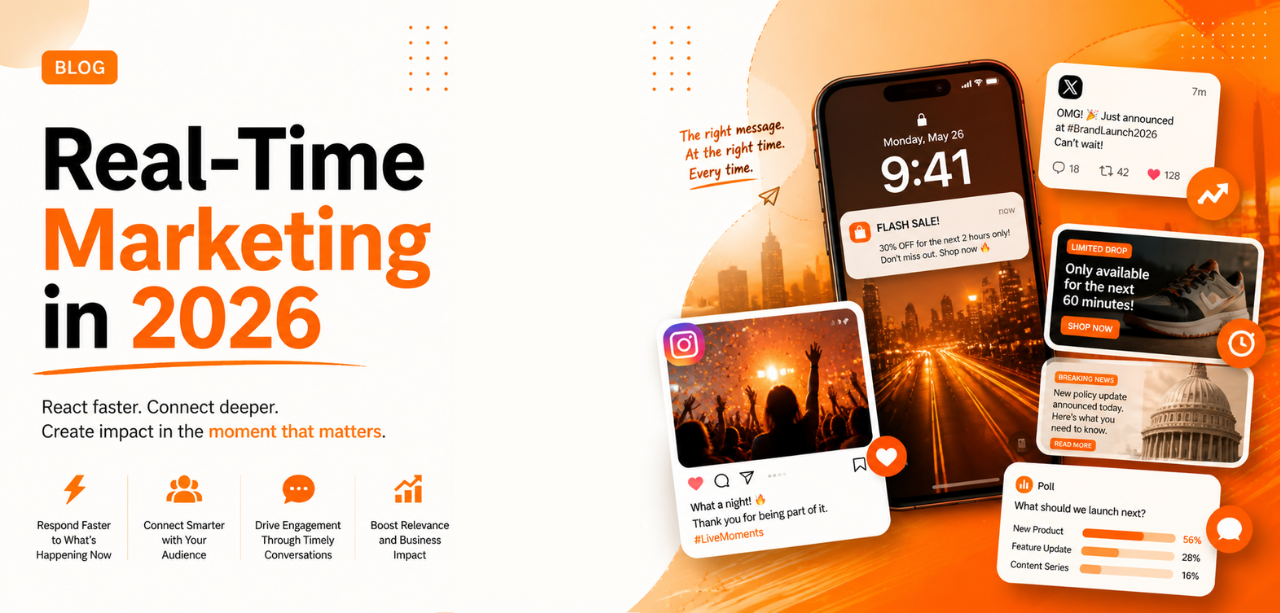
Real-Time Marketing in 2026: Strategy, Tools, and Implementation Guide
73% of consumers expect brands to understand their needs before they even reach out. In 2026, meeting that expectation means showing up at the right moment, on the right channel, with the right message, not hours later, but right now. Real-time marketing is the practice of responding to live events, customer behaviors, and trending moments […]

SEO vs PPC: Which Strategy Drives Better Growth in 2026?
The digital landscape for US businesses has never been more competitive. As we navigate 2026, the traditional battle of SEO vs PPC has evolved into a sophisticated game of data and intent. Whether you are a SaaS founder in Austin or an e-commerce giant in New York, choosing the right seo and ppc management strategy […]
Ready to Transform Your Advertising Strategy?
Join thousands of advertisers who trust Performoo to optimize their campaigns and maximize revenue.