What is Programmatic Advertising?
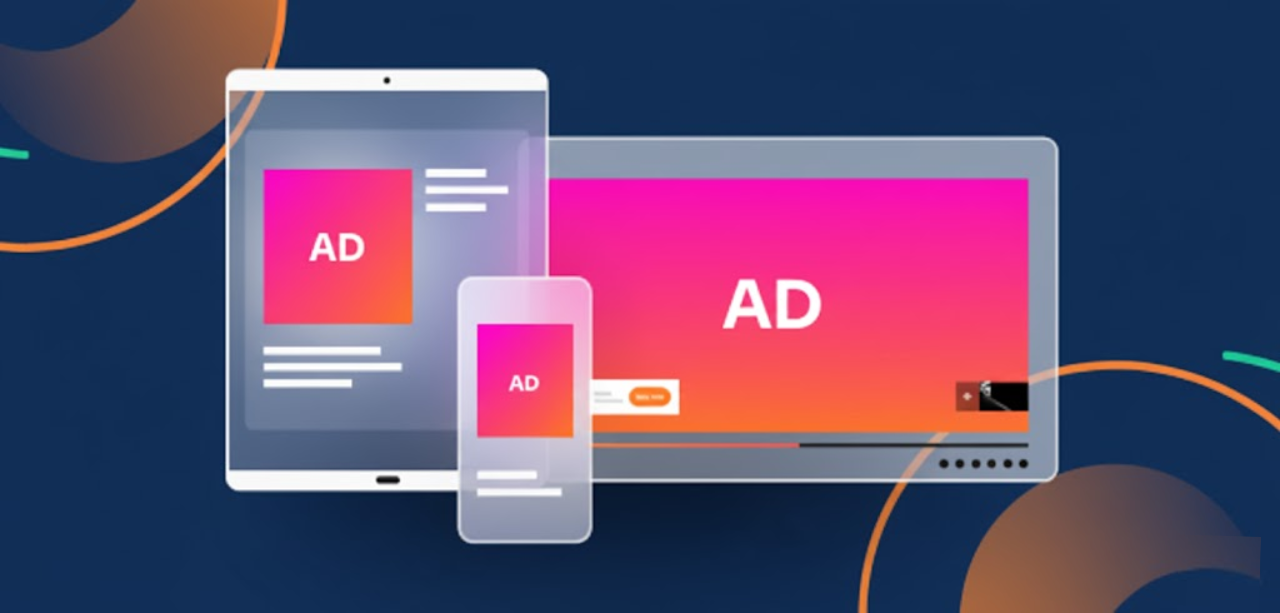
The digital advertising landscape has transformed dramatically over the past decade. Gone are the days when marketers spent weeks negotiating ad placements manually with publishers. Today, programmatic advertising has revolutionized how brands connect with their audiences, making ad buying faster, smarter, and more efficient than ever before.
If you're wondering "what is programmatic ad" or how programmatic advertisement can benefit your business, you've come to the right place. This comprehensive guide will walk you through everything you need to know about programmatic ads, from basic definitions to advanced strategies that can transform your marketing results.
What is Programmatic Ad?
Programmatic ad (short for programmatic advertising) is the automated buying and selling of digital advertising space using technology and artificial intelligence. Instead of manually negotiating with publishers, advertisers use sophisticated software platforms to purchase ad inventory in real-time, targeting specific audiences with precision that was impossible just a few years ago.
Think of it this way: traditional advertising is like shopping at a physical store where you negotiate prices with each vendor individually. Programmatic advertising is like using Amazon—you browse available inventory, the system automatically finds the best match for your needs, and transactions happen instantly at the optimal price.
What is Programmatic Advertisement in Simple Terms?
In its simplest form, programmatic advertisement is digital advertising on autopilot. When someone visits a website, an instant auction occurs in milliseconds. Advertisers bid on the opportunity to show their ad to that specific visitor based on factors like demographics, browsing behavior, and interests. The highest bidder wins, and their ad appears on the screen—all before the page finishes loading.
This entire process, from auction to ad display, typically takes less than 100 milliseconds. That's faster than a single blink of your eye.
How Does Programmatic Advertising Work?
Understanding the mechanics behind programmatic ads helps you appreciate why this technology has become the backbone of modern digital marketing. Here's the step-by-step process:
The Programmatic Advertising Ecosystem
Step 1: A User Visits a Website When someone lands on a website or app, their visit triggers an advertising opportunity. The publisher's website sends information about this visitor to an ad exchange.
Step 2: The Auction Begins An ad exchange acts as a digital marketplace where publishers offer their ad space and advertisers compete to show their ads. This auction uses real-time bidding (RTB) technology to conduct the sale in milliseconds.
Step 3: Advertisers Place Their Bids Multiple advertisers simultaneously evaluate whether this particular user matches their target audience. Using demand-side platforms (DSPs), they automatically place bids based on how valuable this impression is to their campaign goals.
Step 4: The Winner Takes the Spot The highest bidder wins the auction, and their ad immediately loads on the publisher's page. The user sees a relevant ad, the publisher earns revenue, and the advertiser reaches their target audience.
Step 5: Continuous Optimization Throughout your campaign, programmatic platforms analyze performance data in real-time, adjusting bids and targeting to maximize your return on investment.
Key Components of Programmatic Advertising
To fully grasp what programmatic ad technology entails, you need to understand the major players and platforms in the ecosystem:
Demand-Side Platforms (DSPs)
A DSP is the software advertisers use to buy ad inventory. It connects to multiple ad exchanges and supply-side platforms, giving advertisers access to vast amounts of ad space across the internet. Popular DSPs include Amazon DSP, Google Display & Video 360, and The Trade Desk.
DSPs allow you to:
- Set campaign parameters and budgets
- Define target audiences with granular precision
- Bid on ad impressions across multiple publishers simultaneously
- Track performance and optimize campaigns in real-time
Supply-Side Platforms (SSPs)
On the flip side, publishers use **SSP**s to sell their ad inventory. These platforms connect publishers to multiple ad exchanges and DSPs, maximizing their revenue by exposing their ad space to more potential buyers.
SSPs help publishers:
- Set minimum prices for their ad space
- Control which types of ads appear on their sites
- Maximize revenue through competitive bidding
- Manage relationships with multiple ad networks simultaneously
Ad Exchanges
Ad exchanges are the digital marketplaces where the actual buying and selling happens. They connect DSPs and SSPs, facilitating the real-time auctions that power programmatic advertising. Think of them as the New York Stock Exchange, but for digital ad space.
Data Management Platforms (DMPs)
DMPs are data warehouses that collect, organize, and analyze massive amounts of audience data. They help advertisers understand who they're targeting and enable more precise audience segmentation. This data powers the intelligent decision-making that makes programmatic advertising so effective.
Real-Time Bidding (RTB)
RTB is the auction mechanism that makes programmatic advertising possible. It enables advertisers to bid on individual ad impressions in real-time, ensuring they only pay market value for each opportunity to reach their target audience.
Types of Programmatic Advertising
Not all programmatic ad buying follows the same model. Understanding the different types helps you choose the right approach for your marketing goals:
1. Open Marketplace (Open Auction)
The open marketplace is the most common form of programmatic advertising. Any advertiser can bid on available inventory through real-time bidding. This model offers maximum reach and competitive pricing, though it provides less control over exactly where your ads appear.
Best for: Broad reach campaigns, brand awareness, and cost-efficient scaling
2. Private Marketplace (PMP)
Private marketplaces operate on an invitation-only basis. Publishers offer premium inventory to a select group of advertisers before making it available on the open market. PMPs provide more control over ad placement and often feature higher-quality inventory.
Best for: Premium brand positioning, ensuring brand-safe environments, and exclusive partnerships
3. Preferred Deals
In preferred deals, advertisers and publishers agree on fixed pricing before inventory goes to auction. Advertisers get first look at premium inventory at a predetermined price, though they're not obligated to purchase it.
Best for: Building strategic publisher relationships while maintaining flexibility
4. Programmatic Guaranteed
This model most closely resembles traditional ad buying. Advertisers and publishers negotiate directly for a guaranteed number of impressions at a fixed price, but the transaction is automated through programmatic technology. There's no auction involved.
Best for: Securing specific placements, guaranteed reach, and predictable campaign delivery
Benefits of Programmatic Advertising
The explosive growth of programmatic ads isn't accidental. This technology offers compelling advantages that traditional advertising simply cannot match:
1. Unmatched Efficiency
Manual ad buying requires countless hours of negotiations, paperwork, and campaign setup. Programmatic advertising automates these processes, reducing setup time from weeks to hours. Your marketing team can focus on strategy and creativity instead of administrative tasks.
According to industry data, programmatic advertising now accounts for over 80% of all digital ad spending in the United States—a testament to its efficiency advantages.
2. Precision Targeting
Programmatic platforms leverage vast amounts of data to target audiences with laser precision. You can reach people based on:
- Demographics (age, gender, income, education)
- Geographic location (down to zip code level)
- Behavioral data (browsing history, purchase patterns)
- Psychographic information (interests, values, lifestyles)
- Device usage (mobile, desktop, tablet, connected TV)
- Time of day and day of week
- Retargeting based on previous interactions
This level of targeting ensures your ads reach the people most likely to convert, minimizing wasted impressions and maximizing ROI.
3. Cost Efficiency
With programmatic advertising, you only pay for impressions that reach your target audience. Real-time bidding ensures you never overpay for ad space, as you're competing in an open market. Additionally, the automation reduces overhead costs associated with campaign management.
The combination of precise targeting and competitive pricing typically results in lower cost per acquisition compared to traditional advertising methods.
4. Real-Time Optimization
One of programmatic advertising's most powerful features is the ability to optimize campaigns while they're running. You can:
- Adjust bids based on performance data
- Shift budget toward top-performing placements
- Pause underperforming creative variations
- Expand targeting to new audience segments that show promise
- React to competitor activity or market changes instantly
This agility is impossible with traditional media buying, where changes often require renegotiating contracts or waiting until the next campaign cycle.
5. Transparency and Control
Modern programmatic platforms provide detailed visibility into where your ads appear, who sees them, and how they perform. You can set parameters to ensure brand safety, exclude specific websites or content categories, and maintain complete control over your advertising environment.
6. Scale and Reach
Programmatic advertising gives you access to virtually unlimited inventory across millions of websites, apps, and connected devices. Whether you're targeting a niche audience or aiming for maximum reach, programmatic platforms can scale to meet your needs.
7. Cross-Device and Cross-Channel Capabilities
Today's consumers interact with multiple devices throughout their day. Programmatic advertising enables you to reach the same person across desktop computers, smartphones, tablets, connected TVs, and even digital out-of-home displays, creating seamless omnichannel experiences.
Programmatic Advertising vs Display Advertising: What's the Difference?
This is one of the most common points of confusion when learning about programmatic ads. Here's the clarification you need:
Display advertising refers to the format and placement of ads—typically banner ads, video ads, or rich media that appear on websites and apps.
Programmatic advertising refers to the method of buying those ad placements—using automated technology and real-time bidding.
In other words, display ads are the "what" (the actual ad creative), while programmatic is the "how" (the technology used to buy ad space). You can buy display ads through programmatic channels, but not all display advertising is programmatic, and programmatic advertising isn't limited to display formats.
Programmatic advertising can include:
- Display banners
- Video ads
- Native advertising
- Audio ads
- Connected TV advertising
- Digital out-of-home
How Much Does Programmatic Advertising Cost?
Programmatic advertising costs vary widely based on several factors, making it accessible to businesses of all sizes. Here's what influences pricing:
Cost Per Mille (CPM) Model
Most programmatic advertising operates on a CPM basis, meaning you pay for every 1,000 impressions your ad receives. CPM rates typically range from $0.50 to $10 or more, depending on:
Target Audience Specificity: Broad audiences cost less; highly specific niche audiences command premium prices.
Ad Format: Display ads generally have lower CPMs than video ads, which require more bandwidth and typically generate higher engagement.
Competition: Popular audience segments in competitive industries (finance, insurance, legal services) often have higher CPMs due to increased demand.
Quality of Inventory: Premium publisher sites charge more than smaller, less established websites.
Geographic Targeting: Major metropolitan areas typically cost more than rural regions.
Time of Year: Expect higher costs during peak advertising seasons like Q4 holiday shopping.
Flexible Budgeting
One of programmatic advertising's advantages is budget flexibility. You can start with as little as a few hundred dollars to test the waters, then scale up based on performance. There are no long-term contracts or minimum commitments required with most platforms.
Setting Up Your First Programmatic Advertising Campaign
Ready to launch your programmatic advertising efforts? Follow this strategic framework:
Step 1: Define Clear Objectives
What do you want to achieve? Common goals include:
- Building brand awareness and reach
- Driving website traffic
- Generating qualified leads
- Increasing product sales
- Promoting app downloads
- Retargeting previous visitors
Your objectives will determine your campaign structure, targeting approach, and success metrics.
Step 2: Identify Your Target Audience
Create detailed audience profiles based on:
- Demographic characteristics
- Geographic locations
- Interests and behaviors
- Purchase intent signals
- Existing customer data
The more precisely you define your audience, the more efficiently your programmatic campaigns will perform.
Step 3: Choose Your DSP
Select a demand-side platform that aligns with your needs. Consider factors like:
- Inventory quality and quantity
- Targeting capabilities
- Reporting and analytics features
- Fraud protection measures
- Integration with your existing marketing stack
- Budget requirements
- Customer support quality
Popular options include Amazon DSP, Google Display & Video 360, The Trade Desk, and MediaMath.
Step 4: Develop Compelling Creative
Your ad creative must capture attention and drive action. Best practices include:
- Creating multiple variations for A/B testing
- Ensuring mobile-responsive designs
- Including clear, compelling calls-to-action
- Maintaining brand consistency
- Adhering to platform specifications for file sizes and dimensions
- Designing for the specific placements where your ads will appear
Step 5: Set Your Budget and Bids
Determine your overall campaign budget and daily spending limits. Your DSP will recommend starting bid amounts based on your targeting parameters. You can adjust these as you gather performance data.
Step 6: Launch and Monitor
Once your campaign is live, monitoring becomes crucial. Track key performance indicators including:
- Impressions and reach
- Click-through rate (CTR)
- Conversion rate
- Cost per acquisition (CPA)
- Return on ad spend (ROAS)
- Viewability metrics
- Brand safety indicators
Step 7: Optimize Continuously
Use your performance data to make ongoing improvements:
- Increase bids on top-performing placements
- Pause underperforming audience segments
- Refresh creative that's experiencing fatigue
- Expand successful targeting parameters
- Adjust day-parting based on conversion patterns
Best Practices for Programmatic Advertising Success
Maximize your programmatic advertising results by following these proven strategies:
1. Start with Clear KPIs
Define specific, measurable goals before launching campaigns. Vague objectives lead to unfocused strategies and make optimization difficult. Instead of "increase brand awareness," aim for "achieve 5 million impressions among women aged 25-34 in top-tier urban markets."
2. Layer Your Targeting
Don't rely on a single targeting criterion. Combine multiple parameters to reach your ideal audience. For example, target "parents aged 30-45 who have visited baby product websites in the past 30 days and live within 50 miles of your retail locations."
3. Implement Frequency Capping
Seeing the same ad too many times frustrates users and wastes budget. Set frequency caps to limit how often individual users see your ads within a given timeframe—typically 3-5 impressions per day for most campaigns.
4. Prioritize Viewability
An impression only has value if someone actually sees your ad. Focus on placements with high viewability rates (typically 70% or higher) rather than simply chasing the lowest CPMs.
5. Invest in Quality Creative
Even the best targeting strategy fails with poor creative. Invest in professional design that communicates your message clearly and compellingly. Test multiple variations to identify what resonates with your audience.
6. Maintain Brand Safety
Protect your brand reputation by:
- Using whitelists and blacklists to control where ads appear
- Implementing brand safety technology to avoid inappropriate content
- Monitoring placement reports regularly
- Working with reputable publishers and exchanges
7. Combat Ad Fraud
Ad fraud costs the industry billions annually. Protect yourself by:
- Choosing DSPs with robust fraud detection
- Monitoring for suspicious traffic patterns
- Avoiding deals that seem too good to be true
- Using third-party verification services
- Analyzing engagement metrics beyond just clicks
8. Respect Privacy Regulations
Stay compliant with data privacy laws including GDPR, CCPA, and other regional regulations. This means:
- Obtaining proper consent for data collection
- Providing transparency about data usage
- Offering opt-out mechanisms
- Working with partners who prioritize privacy
- Preparing for a cookie-less future with alternative targeting methods
9. Embrace Testing
Continuously test different variables:
- Ad creative and messaging
- Audience segments
- Bid strategies
- Day-parting schedules
- Device targeting
- Ad formats
What works for one campaign may not work for another. Data-driven testing reveals insights that dramatically improve performance.
10. Think Holistically
Programmatic advertising shouldn't exist in isolation. Integrate it with your broader marketing strategy:
- Align messaging across all channels
- Use programmatic for retargeting website visitors
- Coordinate campaigns with email marketing and social media
- Leverage programmatic insights to inform other marketing decisions
Common Challenges and How to Overcome Them
While programmatic advertising offers tremendous benefits, it's not without challenges. Here's how to address the most common obstacles:
Challenge 1: Complexity and Learning Curve
The programmatic ecosystem is sophisticated, with numerous platforms, acronyms, and technical concepts to master.
Solution: Start small with a single DSP and straightforward campaigns. Invest in training for your team or work with experienced partners who can guide you through the process. Many platforms offer educational resources and customer support to help you succeed.
Challenge 2: Ad Fraud
Invalid traffic, bot fraud, and domain spoofing can waste budget on impressions that never reach real humans.
Solution: Choose platforms with strong fraud prevention measures. Monitor traffic quality metrics closely. Work with third-party verification services. Be skeptical of deals offering suspiciously low prices or guaranteed results.
Challenge 3: Viewability Issues
Not all ad impressions are actually viewable by users, especially for below-the-fold placements.
Solution: Prioritize viewability in your campaign optimization. Set minimum viewability thresholds. Focus on above-the-fold placements and use viewability data to inform bidding decisions.
Challenge 4: Brand Safety Concerns
Automated ad buying can place your ads next to inappropriate or controversial content.
Solution: Implement comprehensive brand safety controls. Use category exclusions, site whitelists, and third-party verification. Regularly review placement reports and adjust exclusions as needed.
Challenge 5: Attribution Complexity
Understanding which touchpoints drive conversions becomes challenging in multi-channel campaigns.
Solution: Implement robust attribution modeling. Use tools that track the customer journey across devices and channels. Consider both last-click and multi-touch attribution models to get a complete picture.
The Future of Programmatic Advertising
Programmatic advertising continues evolving rapidly. Here are key trends shaping its future:
Privacy-First Advertising
With the decline of third-party cookies and stricter privacy regulations, the industry is shifting toward:
- First-party data strategies
- Contextual targeting renaissance
- Privacy-preserving technologies like unified ID solutions
- Server-side tracking methods
Connected TV and Digital Audio
Programmatic is expanding beyond traditional display and video to include:
- Connected TV (CTV) advertising on streaming platforms
- Digital audio ads on music and podcast platforms
- Digital out-of-home (DOOH) on digital billboards and public displays
Artificial Intelligence and Machine Learning
Advanced AI is making programmatic advertising smarter:
- Predictive analytics forecasting campaign performance
- Automated creative optimization
- Anomaly detection for fraud prevention
- Natural language processing for contextual targeting
Increased Transparency
The industry is addressing transparency concerns through:
- Blockchain-based ad tracking
- Supply path optimization
- Direct publisher relationships
- Clearer fee structures
Measuring Programmatic Advertising Success
Tracking the right metrics ensures you understand your campaign performance and can make informed optimization decisions.
Awareness Metrics
- Impressions: Total number of times your ad was displayed
- Reach: Number of unique users who saw your ad
- Frequency: Average number of times each user saw your ad
- Brand lift: Increase in brand awareness or consideration
Engagement Metrics
- Click-through rate (CTR): Percentage of impressions that resulted in clicks
- Viewability rate: Percentage of impressions that were actually viewable
- Time spent: How long users engaged with your ad content
- Video completion rate: For video ads, percentage watched to completion
Conversion Metrics
- Conversion rate: Percentage of clicks that resulted in desired actions
- Cost per acquisition (CPA): How much you spent to acquire each customer
- Return on ad spend (ROAS): Revenue generated for every dollar spent
- Customer lifetime value (CLV): Long-term value of acquired customers
Is Programmatic Advertising Right for Your Business?
Programmatic advertising benefits businesses of virtually all sizes and industries, but it's particularly effective when:
You have clear audience data: The more you know about your target customers, the more effectively you can leverage programmatic targeting.
You need scale and efficiency: If you're spending significant budget on digital advertising, programmatic automation delivers cost savings and performance improvements.
You value flexibility: Businesses that need to adjust campaigns quickly based on market conditions benefit from programmatic's real-time optimization capabilities.
You want measurable results: If data-driven decision making is important to your organization, programmatic's detailed analytics provide the insights you need.
You're committed to testing and learning: Organizations willing to experiment and optimize based on data see the best results from programmatic campaigns.
Getting Started with Programmatic Advertising Today
Now that you understand what programmatic ad technology can do for your business, it's time to take action. Here's your roadmap:
- Audit your current advertising: Identify where programmatic could improve efficiency or results in your existing campaigns.
- Set clear objectives: Define specific, measurable goals for your first programmatic campaign.
- Choose your platform: Research DSPs that align with your budget, technical capabilities, and objectives.
- Start small: Launch a pilot campaign with a modest budget to learn the platform and gather performance data.
- Analyze and optimize: Use your initial results to refine targeting, creative, and bidding strategies.
- Scale what works: Once you've identified successful approaches, increase budgets and expand to additional channels.
- Stay educated: The programmatic landscape evolves constantly. Commit to ongoing learning to maintain your competitive edge.
READ ALSO:- Understanding Ad-Tech: What It Is and Why It Matters
Conclusion
Programmatic advertising has fundamentally transformed digital marketing, making it more efficient, targeted, and measurable than ever before. By automating the ad buying process and leveraging sophisticated data analysis, programmatic ads enable businesses to reach the right audiences at the right time with the right message—all while optimizing costs and maximizing returns.
Whether you're new to digital advertising or looking to upgrade from traditional media buying methods, programmatic advertising offers compelling advantages that can drive meaningful business results. The technology may seem complex at first, but the principles are straightforward: use data to identify your ideal customers, automate the process of reaching them, and continuously optimize based on performance.
As digital advertising continues evolving toward greater automation, privacy protection, and cross-channel integration, programmatic advertising will only become more central to successful marketing strategies. The question isn't whether to adopt programmatic advertising—it's how quickly you can start leveraging its power to grow your business.
Ready to experience the benefits of programmatic advertising? Start with a single campaign, measure your results carefully, and prepare to scale what works. The future of advertising is programmatic, and that future is already here.
Related Articles
Continue your learning journey with these related insights
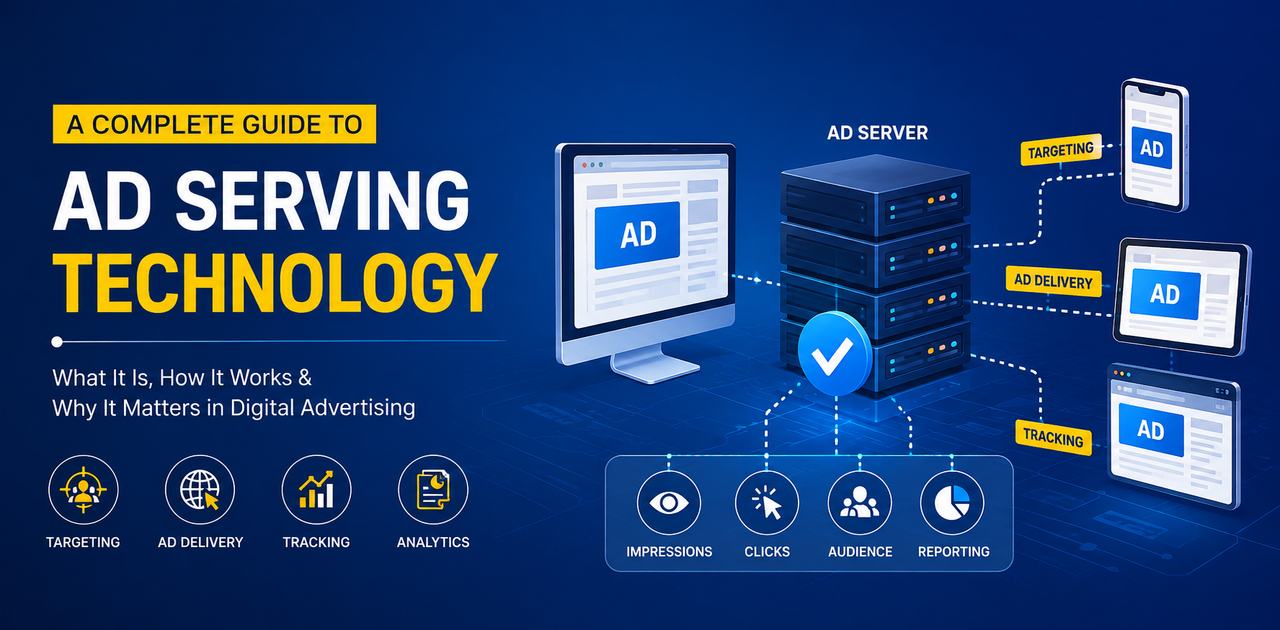
Ad Serving Technology: What It Is and How It Powers Digital Advertising
Every ad you see online, whether it's a banner on a news site or a video before a YouTube clip, was chosen and delivered by a system working behind the scenes i

CTV Ad Server and VAST Ad Tag Tester: How They Improve Connected TV Advertising
Connected TV has become one of the most competitive spots in advertising, with more viewers streaming and more advertisers chasing their attention on the big sc

Tracking Pixels: What They Are & How They Work in 2026
Introduction Digital advertising has come a long way from the era of banner blindness and spray-and-pray campaigns. Today, every click, impression, and conversi
Ready to Transform Your Advertising Strategy?
Join thousands of advertisers who trust Performoo to optimize their campaigns and maximize revenue.