What Is Performance Marketing in 2026?
Performance marketing has evolved from a niche strategy into the backbone of successful digital campaigns. As businesses navigate tighter budgets and demand measurable results, understanding this approach is no longer optional it's essential.
What Is Performance Marketing?
Performance marketing is a results-driven digital strategy where advertisers pay only when specific actions occur. Unlike traditional advertising that charges for impressions or reach, this model ties every dollar spent to measurable outcomes like sales, leads, or downloads.
Think of it this way: you're not buying a lottery ticket hoping for results. You're securing winning numbers before you pay.
The difference is transformative. While global digital advertising exceeded $790 billion in 2024, performance marketing stands out by delivering an average ROI of $15 for every $1 spent.
How Performance Marketing Works in 2026
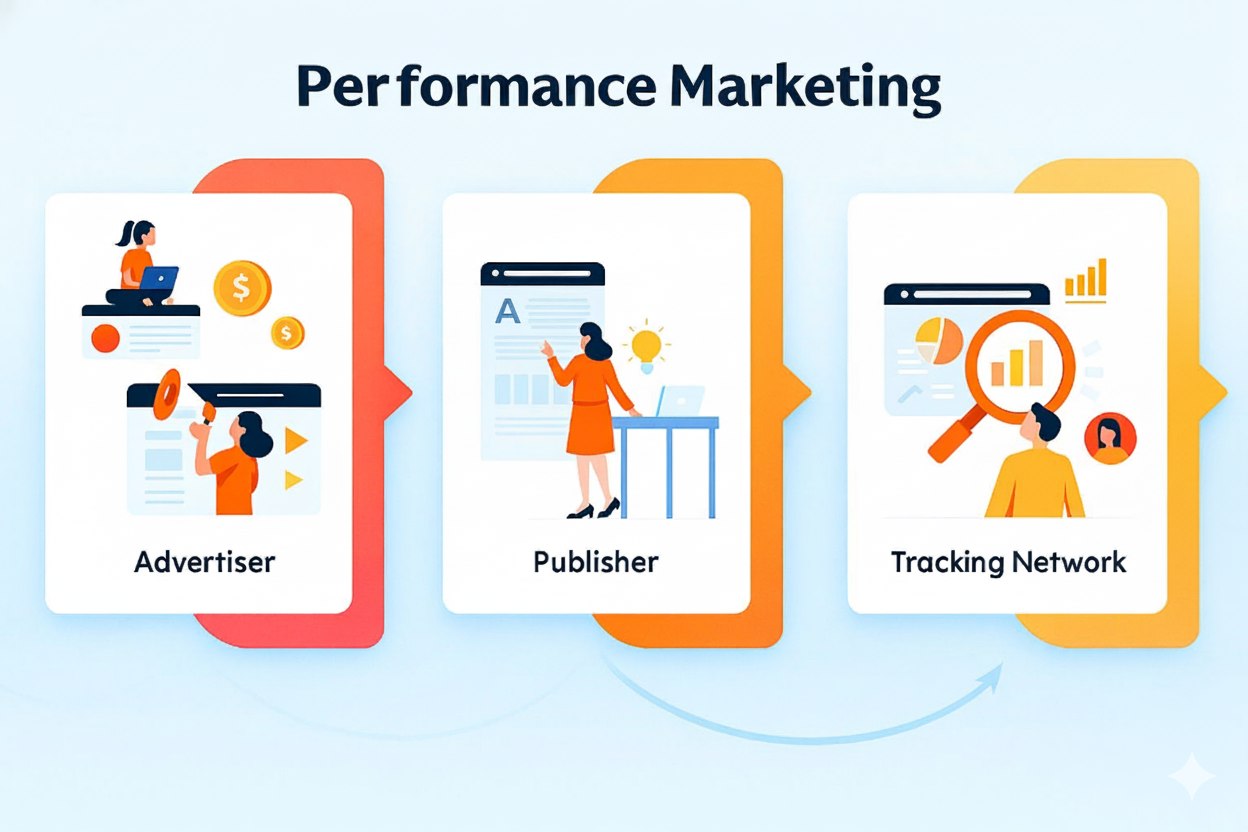
The performance marketing ecosystem operates through four key players working in harmony:
Merchants (Advertisers): Brands seeking to sell products or services set specific goals and agree to pay commissions when targets are met.
Publishers (Affiliates): Digital partners, including influencers, bloggers, review sites, and content creators, promote offers through their channels.
Networks and Tracking Platforms: Technology platforms like Impact, Partnerize, and CJ handle tracking, attribution, and payment processing with complete transparency.
Managers (OPMs): In-house experts or outsourced agencies guide strategy, manage relationships, and optimize performance.
This collaborative model ensures accountability at every stage, with real-time data revealing exactly what's working and what isn't.
Core Performance Marketing Channels
1. Affiliate Marketing
Partners earn commissions by promoting your products. From coupon sites to YouTube reviewers, affiliates drive traffic and get paid only when sales happen. With 69% of consumers trusting influencer recommendations, this channel continues to dominate.
2. Search Engine Marketing (SEM)
Paid search advertising captured the moment of intent perfectly, with US search ad revenues hitting $102.9 billion in 2024. Advertisers bid on keywords, placing ads at the top of search results and paying only when users click.
3. Social Media Marketing
Platforms like Instagram, Facebook, TikTok, and LinkedIn generated $88.7 billion in revenue in 2024—a 36.7% year-over-year increase. Micro-influencers with 10,000-100,000 followers drive exceptional engagement rates of 7-20% at a fraction of celebrity costs.
4. Native Advertising
These ads blend seamlessly into content, matching the form and function of the platform they appear on. The native advertising market reached $104.63 billion in 2024 and is projected to hit $346.86 billion by 2032.
5. Content Syndication
Brands distribute their best content to engaged, opted-in audiences, turning strong assets into ongoing performance drivers rather than one-time plays.
6. Email Marketing
When done right, email campaigns deliver targeted messages to verified contacts who've opted in to receive relevant content.
Key Performance Metrics You Must Track
Understanding these metrics is crucial for success:
Cost Per Acquisition (CPA): What you pay when a specific action completes—typically a sale or qualified lead.
Pay Per Lead (PPL): Compensation based on collecting contact information like names and email addresses.
Pay Per Click (PPC): Payment triggered by visitor clicks to your landing page, regardless of conversion.
Lifetime Value (LTV): Total revenue expected from a customer over their entire relationship with your brand. While 81% of organizations track this metric, only 37% actively use it in strategy.
Cost Per Lead (CPL): Total campaign cost divided by the number of leads generated.
Why Performance Marketing Wins in 2026
Complete Transparency
Every click, view, and sale tells a story. You can track the entire customer journey from first impression to final purchase, identifying which partners perform best and which channels deserve more investment.
Lower Risk, Higher Returns
By keeping cost per acquisition low, ROI naturally increases. This creates budget space to test new tactics and scale what works.
Built-In Accountability
Partners only get paid when they deliver results. This alignment of incentives ensures everyone is motivated to optimize performance.
Brand Awareness at Scale
Leverage established audiences without building from scratch. Partners bring built-in crowds, helping you reach new customers that traditional ads might miss.
Top Performance Marketing Strategies for 2026
Design Around Constraints First
Before launching campaigns, define your budget limits, audience size, sales capacity, and content bandwidth. These guardrails shape smarter decisions about where to invest and how aggressively to scale.
Build for Repeat Engagement
One-time audiences stall performance. Focus on strategies that allow consistent access to high-fit buyers. Repeated exposure builds recognition and trust—over 90% of buyers consider vendors they've already used when making new purchasing decisions.
Optimize for Intent, Not Volume
More leads don't automatically mean better results. Prioritize signals indicating buying readiness, even if that means smaller numbers. Intent-driven campaigns see 93% higher conversion rates according to recent research.
Create Multi-Touch Systems
Buyers rarely convert after one interaction. They engage across emails, content, ads, and follow-up touchpoints. Coordinated multi-channel approaches outperform isolated tactics every time.
Perfect Your Landing Pages
A one-second delay in mobile load times can reduce conversions by up to 20%. Ensure pages load fast, look great, and make the path to purchase effortless.
Test Relentlessly
Never settle for the first draft. Run A/B tests on headlines, button colors, images, and messaging. The average landing page converts at 6.6%; beat that through continuous experimentation.
Emerging Trends Shaping the Future
AI-Driven Optimization
Artificial intelligence now generates high-performing ad copy in seconds, testing thousands of variations to find perfect messaging. AI-powered attribution also helps marketers understand exactly which touchpoint triggered each sale.
First-Party Data Dominance
As third-party cookies crumble and privacy laws tighten, channels relying on first-party data information collected directly from users are winning big. Retail media and paid search offer clear attribution that harder-to-measure channels can't match.
Mobile-First Imperative
Mobile ecommerce is projected to reach $2.5 trillion in 2025, nearly doubling by 2029. If your site isn't optimized for thumbs, you're losing money every day.
Purpose-Driven Partnerships
Mission-driven brands now seek partners who share their values, ensuring every new customer believes in the cause. This alignment drives higher retention and loyalty.
Common Pitfalls to Avoid
Chasing Vanity Metrics: Likes, clicks, and views create false confidence. Focus on metrics tied to revenue and business outcomes.
Set-and-Forget Mentality: Algorithms need time to learn. Partners need time to test. But that doesn't mean ignoring your campaigns—continuous optimization is essential.
Ignoring Ad Fraud: Businesses lost over $140 billion to fraudulent activity in 2024. Work with reputable partners who value transparency and cut off sources sending bot traffic immediately.
Poor Mobile Experience: The desktop era is over. Design every experience for mobile screens first.
Getting Started with Performance Marketing
You don't need massive budgets to begin. Start small and scale what works:
- Partner with micro-influencers who align with your audience, they often trade posts for products rather than large fees
- Launch a referral program, giving existing customers discounts for bringing in friends
- Target long-tail keywords with specific intent rather than broad, expensive terms
- Set maximum CPA limits on platforms like Google and Facebook to protect your budget
- Track everything from first impression to final receipt,t using proper attribution tools
The Bottom Line
Performance marketing represents the future of digital advertising. By paying only for results, businesses protect budgets while scaling revenue through measurable, data-driven strategies.
Whether you're a startup with limited resources or an enterprise seeking efficiency, performance marketing offers a low-risk path to sustainable growth. The key is starting with clear goals, tracking the right metrics, and continuously optimizing based on real performance data.
Success in 2026 belongs to marketers who embrace accountability, leverage technology, and build genuine partnerships focused on shared success. The question isn't whether to adopt performance marketing—it's how quickly you can start.
Related Articles
Continue your learning journey with these related insights
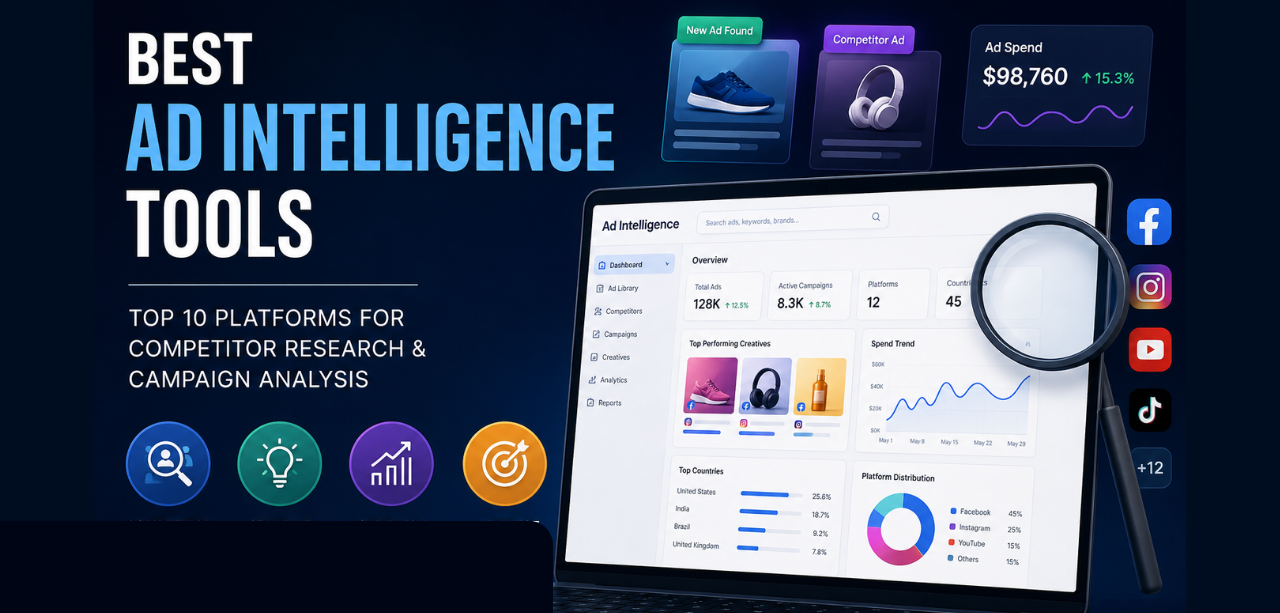
10 Best Ad Intelligence Tools in 2026
Introduction Advertising has become a game of visibility. Every brand, in every category, is competing for the same limited attention on Facebook, Google, TikTo
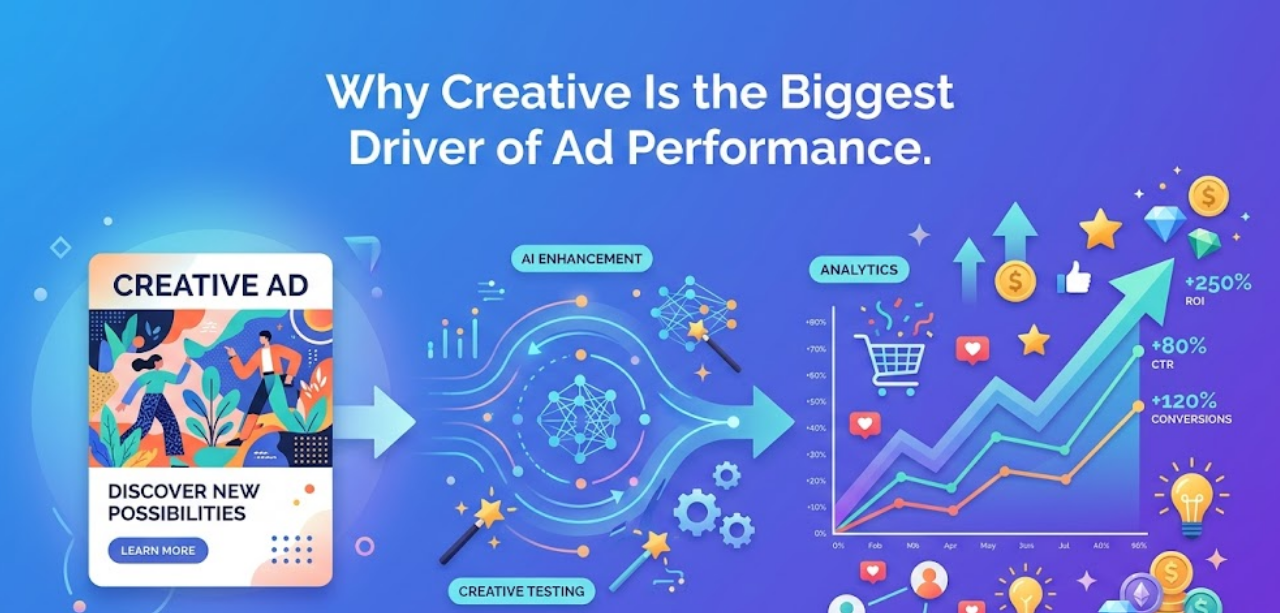
Why Creative Is the Biggest Driver of Ad Performance
A few years ago, if you asked a media buyer where to spend an extra hour of their week, almost nobody would have said "on the creative." That hour went to audie
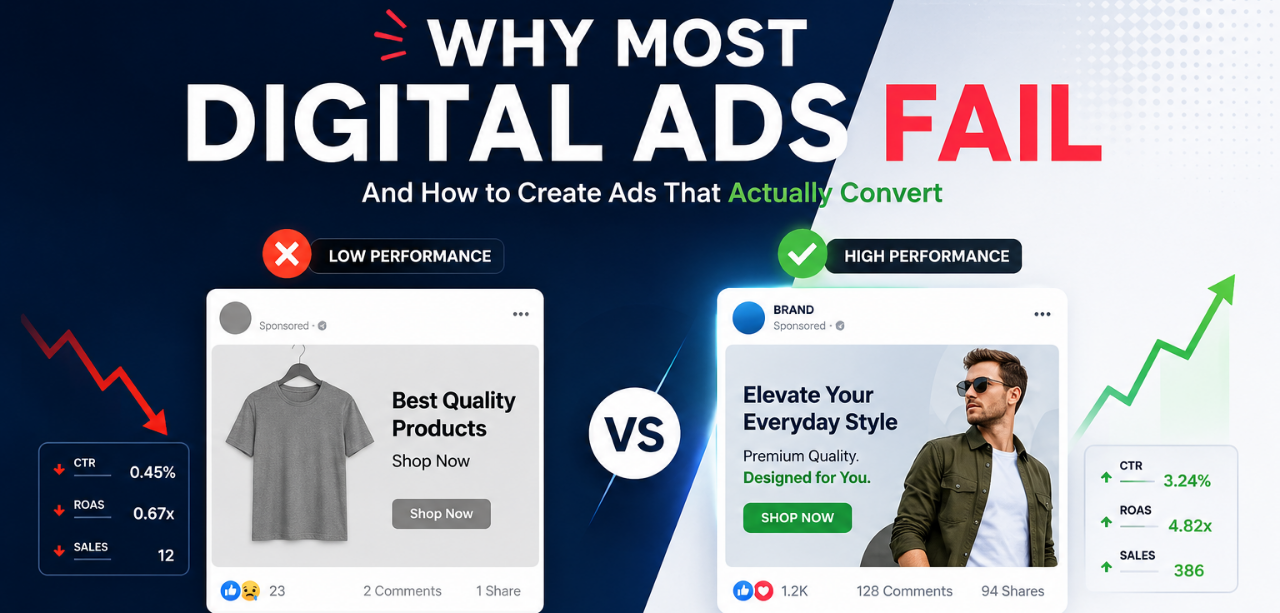
Why Most Digital Ads Fail
Many businesses pour thousands of dollars into digital advertising every month, expecting a steady stream of sales in return. Then the results come in, and they
Ready to Transform Your Advertising Strategy?
Join thousands of advertisers who trust Performoo to optimize their campaigns and maximize revenue.