Tracking Pixels: What They Are & How They Work in 2026

Introduction
Digital advertising has come a long way from the era of banner blindness and spray-and-pray campaigns. Today, every click, impression, and conversion can be measured with remarkable precision — and tracking pixels are one of the core technologies making that possible.
If you've ever wondered how an ad network knows your campaign generated 50,000 impressions, or how a platform reports that a user clicked an ad and then made a purchase, the answer almost always traces back to a tracking pixel.
Over the years, digital advertising tracking has evolved dramatically. First-party cookies gave way to third-party tracking. Mobile and cross-device measurement introduced new challenges. Privacy regulations reshaped how data is collected. Yet through all of these shifts, tracking pixels have remained a fundamental building block of ad performance measurement.
In 2026, with the digital ad ecosystem more competitive and complex than ever, understanding how tracking pixels work — and how to use them effectively — is essential for any business investing in digital advertising.
What Is a Tracking Pixel?
At its simplest, a tracking pixel is a tiny, invisible image — typically 1x1 pixel in size — embedded in a webpage, email, or digital advertisement. When a user loads that page or ad, their browser automatically sends a request to retrieve the pixel image. That request carries valuable data: the user's IP address, browser type, device, timestamp, and more.
The term "pixel" is a little misleading today, because modern tracking pixels often don't involve a visible image at all. They are frequently implemented as lightweight JavaScript snippets or server-to-server calls that fire in the background without affecting the user experience.
How Do Tracking Pixels Work Technically?
Here's what happens in milliseconds when a user encounters a tracked ad or page:
- The user's browser loads a webpage or ad that contains the tracking pixel code.
- The browser sends an HTTP request to the pixel server to fetch the image or complete the script call.
- The pixel server receives the request and logs the event — along with metadata like the timestamp, device type, referral URL, and geographic location.
- This data is recorded and made available in the platform's reporting dashboard.
The entire process is invisible to the user and adds virtually no load time to the page. Common platforms that rely on tracking pixels include major ad networks, demand-side platforms (DSPs), email marketing tools, analytics suites, and affiliate marketing platforms.
How Tracking Pixels Work in Modern Advertising
In modern digital advertising, tracking pixels serve as the silent intelligence layer between ad delivery and performance reporting. Here's a step-by-step look at how they power ad performance measurement:
Step 1: Ad Is Served
An advertiser runs a campaign through an ad network or DSP. The ad creative contains a tracking pixel URL embedded in the ad code.
Step 2: Impression Is Recorded
When a user's browser loads the ad — even if they don't click it — the pixel fires, and the platform logs an ad impression. This tells advertisers exactly how many times their ad was displayed.
Step 3: Click Tracking
If the user clicks the ad, a separate click-tracking mechanism (often a redirect URL containing pixel logic) logs that interaction. This data is used to calculate click-through rates (CTR).
Step 4: Conversion Tracking
If the user lands on an advertiser's website and completes a desired action — a purchase, a sign-up, or a form submission — a conversion pixel fires on the confirmation or thank-you page. This connects the ad exposure to the actual business outcome.
Step 5: Campaign Reporting
All of this data flows into the platform's reporting system, giving marketing teams a full picture of campaign performance: impressions delivered, clicks generated, conversions achieved, and cost per result.
Why Tracking Pixels Matter for Businesses
For any business running paid advertising, tracking pixels are not optional — they are essential. Here's why:
Accurate Ad Performance Tracking: Without pixels, ad performance data is largely an estimate. Pixels provide event-level accuracy, capturing real user interactions as they happen.
Better ROI Measurement: Knowing how much revenue or how many leads each campaign generates allows businesses to calculate true return on investment and justify ad spend confidently.
Audience Insights: Pixel data reveals patterns about who is engaging with ads — which devices they use, which creatives drive action, and which audience segments convert most efficiently.
Campaign Optimization: Real-time pixel data enables marketing teams to pause underperforming campaigns, reallocate budget to top performers, and A/B test creative and targeting strategies with precision.
In short, marketing analytics powered by tracking pixels transforms advertising from guesswork into a data-driven discipline.
How Performoo Uses Tracking Pixels
Performoo is an ad intelligence and tracking platform built to give businesses and media buyers clear, reliable visibility into their advertising activity. At the core of Performoo's tracking capabilities is the use of tracking pixels.
When an ad campaign goes live through Performoo, tracking pixels are deployed as part of the campaign setup. These pixels are embedded in ad creatives or associated landing pages and begin collecting data the moment impressions start being served.
Here's how tracking pixels help Performoo deliver value:
- Counting Ad Impressions: Every time an ad is loaded and displayed to a user, Performoo's pixel fires and records the impression. This gives advertisers an accurate, real-time count of how many times their message has been seen.
- Monitoring Campaign Activity: Performoo uses pixel data to monitor the health and activity of running campaigns — detecting spikes, drops, or anomalies in delivery that may signal issues requiring attention.
- Providing Reliable Performance Data: By capturing impression data at the pixel level, Performoo ensures that performance reports are based on actual events — not projections or modeled estimates. Advertisers can trust that what they see in the dashboard reflects what happened in the real world.
- Helping Businesses Make Data-Driven Decisions: With accurate pixel data flowing into Performoo's reporting interface, marketing teams and business owners can make confident decisions about campaign budgets, creative direction, and media strategy — backed by real numbers.
Performoo's approach to ad tracking is designed to be straightforward and transparent, giving clients the data clarity they need to run efficient, effective advertising campaigns.
Tracking Pixels and Privacy in 2026
Privacy has become a central concern in digital advertising tracking, and for good reason. Regulations like GDPR in Europe, CCPA in California, and a growing number of regional data protection laws have reshaped how pixels can be used and what data they can collect.
In 2026, responsible pixel tracking means:
- Obtaining user consent before firing tracking pixels, particularly for users in regulated regions.
- Respecting cookie preferences and browser-level privacy settings that may block or limit pixel functionality.
- Using server-side tracking where appropriate, which can improve data accuracy while reducing reliance on browser cookies.
- Being transparent with users about what data is collected and how it is used.
The good news for advertisers is that compliant tracking is entirely achievable. Working with platforms that prioritize privacy-safe measurement — and ensuring your pixel implementations follow current regulations — protects both your business and your audience.
Best Practices for Using Tracking Pixels
To get the most out of tracking pixels while staying on the right side of privacy standards, follow these core best practices:
Use Tracking Responsibly: Only collect the data you actually need. Avoid overly invasive tracking that captures information beyond what's necessary for campaign measurement.
Ensure Data Accuracy: Regularly audit your pixel implementations to confirm they're firing correctly on the right pages and events. A misplaced or broken pixel means lost data and unreliable reporting.
Monitor Campaigns Regularly: Don't set campaigns and walk away. Use pixel data to actively monitor performance, catch delivery issues early, and respond quickly to changes in campaign behavior.
Use Secure and Compliant Tracking Methods: Ensure all pixel URLs are served over HTTPS. Work with platforms that are compliant with current privacy regulations and offer transparent data handling policies.
Conclusion
Tracking pixels have been a cornerstone of digital advertising measurement for years — and in 2026, they remain as relevant as ever. They provide the event-level data that powers accurate impression counting, click tracking, conversion measurement, and campaign optimization.
For businesses investing in paid advertising, understanding how tracking pixels work is the first step toward running smarter, more accountable campaigns. And for those who want a clear, reliable window into their ad performance, working with purpose-built platforms makes all the difference.
Performoo is designed precisely for this purpose — using tracking pixels to count ad impressions, monitor campaign activity, and deliver the performance data businesses need to make confident, data-driven decisions. In a landscape where every ad dollar counts, that kind of visibility isn't just useful. It's essential.
Other top blogs
| Insertion Order | SEO vs PPC |
| AI Sales Strategy | What Is Data Integration? |
| Marketing Intelligence Tools | Why Most Ad Campaigns Fail |
| AdTech and MarTech | Lead Generation Strategies |
| How to Improve ROAS | What Is AdTech? |
Related Articles
Continue your learning journey with these related insights
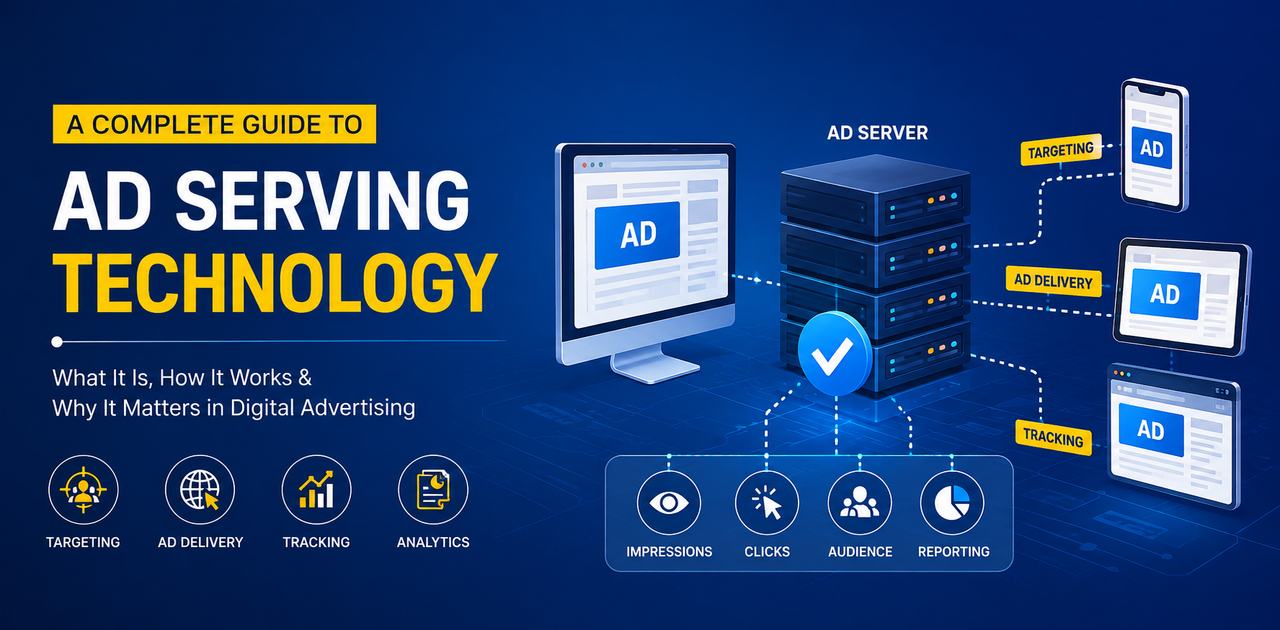
Ad Serving Technology: What It Is and How It Powers Digital Advertising
Every ad you see online, whether it's a banner on a news site or a video before a YouTube clip, was chosen and delivered by a system working behind the scenes i

CTV Ad Server and VAST Ad Tag Tester: How They Improve Connected TV Advertising
Connected TV has become one of the most competitive spots in advertising, with more viewers streaming and more advertisers chasing their attention on the big sc
Ready to Transform Your Advertising Strategy?
Join thousands of advertisers who trust Performoo to optimize their campaigns and maximize revenue.