The Best A/B Testing Tools to Use With Realize
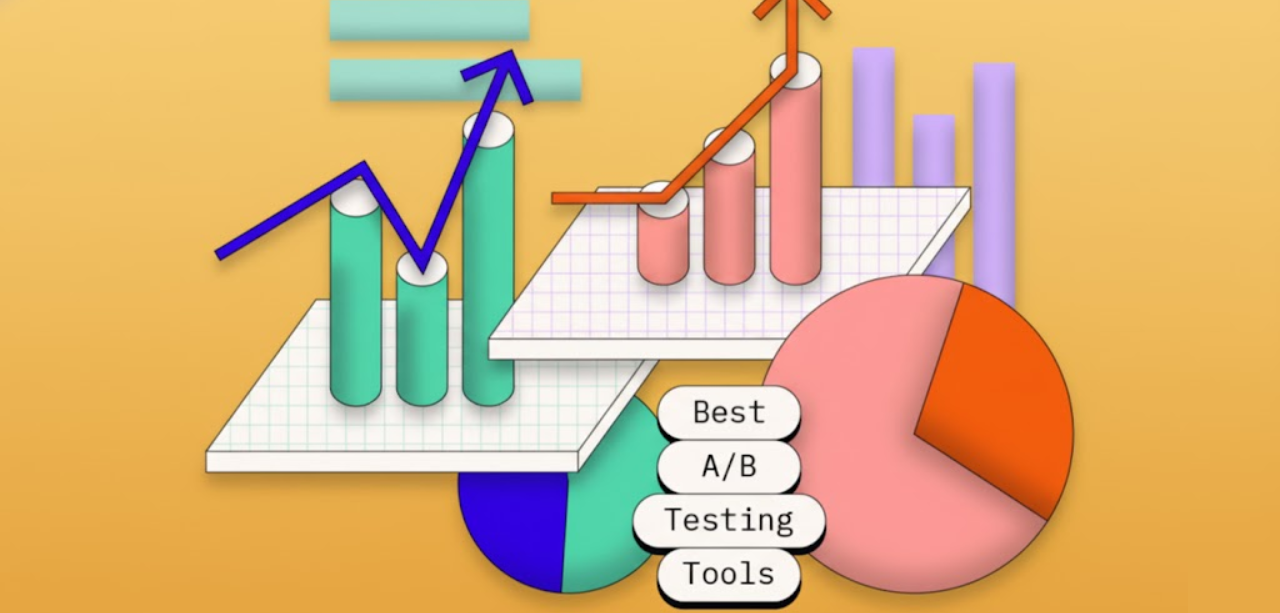
A/B testing has become indispensable for performance marketers looking to optimize their campaigns and maximize ROI. While Realize offers robust built-in testing capabilities, integrating complementary A/B testing tools can take your optimization efforts to the next level. This comprehensive guide explores the best A/B testing tools that work seamlessly with Realize to help you make data-driven decisions and boost conversions.
Understanding Realize's Native A/B Testing Features
Before diving into third-party tools, it's important to understand what Realize offers out of the box.
Ad Creative Testing
Realize enables multivariate testing by allowing you to upload multiple headline and image combinations. The platform distributes traffic evenly across variations in A/B Testing mode, letting the algorithm identify winners after sufficient data collection. Once testing concludes, campaigns automatically switch to Optimized delivery, prioritizing top-performing creative combinations.
AI-Powered Optimization
Realize leverages Taboola's predictive AI capabilities through features like:
- Abby: Generative AI that helps create and manage campaign variations for testing
- SmartBid: Deep-learning AI that adjusts bids for each impression in real-time
Landing Page Support
While Realize excels at ad creative testing, it doesn't provide deep on-site experimentation capabilities. This is where third-party A/B testing platforms become essential for optimizing the post-click experience.
Integrated Partners: Tools That Connect Directly With Realize
These platforms offer seamless integration with Realize, creating a unified optimization workflow.
1. AnyTrack
Best for: Accurate conversion tracking across multiple ad networks
AnyTrack provides server-side tracking through its Conversion API (CAPI), ensuring precise attribution with first-party, cookieless data. This compliance-friendly solution unifies conversion data across ad networks, giving you a complete performance picture.
Key Benefits for Realize Users:
- Real-time conversion data transmission
- Cookieless tracking compliant with privacy regulations
- Unified conversion reporting across platforms
- Automated retargeting optimization
Why It Matters for A/B Testing: Accurate data is the foundation of reliable A/B tests. AnyTrack ensures you can trust your testing results, especially when managing complex funnels spanning multiple ad networks.
2. Leadpages
Best for: Landing page optimization with built-in A/B testing
Leadpages specializes in creating high-converting landing pages with native split testing functionality. It optimizes the post-click experience for traffic generated by Realize ads.
Key Benefits for Realize Users:
- Drag-and-drop landing page builder
- Dedicated A/B split testing for landing pages
- Direct integration with Realize
- Continuous conversion rate enhancement
Why It Matters for A/B Testing: While Realize drives targeted traffic, Leadpages ensures visitors convert once they land on your page, maximizing overall campaign ROI.
3. TheOptimizer
Best for: Campaign automation and scaling winning variations
TheOptimizer automatically manages and optimizes Realize campaigns using advanced rules. It adjusts budgets for high-converting campaigns, modifies bids, and pauses underperforming elements.
Key Benefits for Realize Users:
- Advanced automation rules
- CSV data file uploads
- External tracker integration
- Real-time campaign optimization
Why It Matters for A/B Testing: Once A/B tests identify winners, TheOptimizer automatically scales successful variations and pauses losers, saving time and maximizing impact.
4. RedTrack
Best for: Multi-channel attribution and analytics
RedTrack offers comprehensive performance marketing analytics across 200+ integrations, including CAPI connections with Realize.
Key Benefits for Realize Users:
- Unified conversion tracking across channels
- Revenue attribution and ad spend synchronization
- Custom dashboards and reports
- Automation rules for self-optimization
Why It Matters for A/B Testing: RedTrack provides independent, unified data essential for analyzing A/B test results and making informed budget allocation decisions.
5. GrowthLoop
Best for: Advanced audience segmentation and targeting
GrowthLoop focuses on CRM and touchpoint intelligence, enabling sophisticated audience segmentation based on customer value, purchase history, and churn risk.
Key Benefits for Realize Users:
- Precise audience segmentation
- Intelligent customer re-engagement
- Synchronized targeting across platforms
- Value-based campaign personalization
Why It Matters for A/B Testing: Better targeting leads to more meaningful A/B tests, helping you understand what different user segments respond to and how to reach them effectively.
Leading Third-Party A/B Testing Platforms
These dedicated experimentation platforms optimize landing pages and on-site user experiences where Realize ads direct traffic.
6. VWO (Visual Website Optimizer)
Best for: Comprehensive testing and qualitative analytics
VWO offers integrated testing tools, conversion optimization capabilities, and qualitative analytics to understand user behavior deeply.
Key Features:
- A/B, split URL, and multivariate testing
- Heatmaps, session recordings, and funnels
- Visual editor for non-technical users
- Audience segmentation and targeting
- Generative AI for optimization suggestions
Pricing: Starter pack free; paid plans from $190/month
Use Case with Realize: Optimize landing pages, headlines, CTAs, images, and forms for traffic driven by Realize ads to complete the journey from impression to conversion.
7. Optimizely
Best for: Enterprise-level experimentation with AI assistance
Optimizely combines strategic A/B testing with consolidated customer data and business goal measurement beyond simple conversion rate optimization.
Key Features:
- AI assistant for idea generation and text variations
- Omnichannel experimentation (web, mobile, apps)
- Warehouse-native analytics
- No-code content structuring
- Advanced statistical analysis
Pricing: Available on request
Use Case with Realize: Link Realize-driven traffic to A/B test results and understand campaign ROI at a strategic business level, measuring impact on revenue and pipeline generation.
8. AB Tasty
Best for: Personalization with experimentation
AB Tasty delivers tailored customer experiences through multi-channel testing and AI-powered personalization.
Key Features:
- A/B, split URL, and multivariate testing
- Bayesian statistics engine
- AI-driven personalization (AdaptML)
- Multi-channel testing capabilities
- WYSIWYG editor with comprehensive widgets
Pricing: Available on request
Use Case with Realize: Personalize the entire user journey from Realize ad click to final conversion, ensuring consistency across all touchpoints.
9. Unbounce
Best for: Rapid landing page iteration
Unbounce combines landing page building with A/B testing and AI-driven copywriting tools that automatically route visitors to best-performing variants.
Key Features:
- Drag-and-drop landing page builder
- Built-in A/B testing
- AI-powered traffic optimization
- Template library for quick setup
- No developer support required
Pricing: Starting at approximately $90/month
Use Case with Realize: Quickly iterate on landing pages to align with ad creatives and market conditions, maintaining competitive advantage through speed.
10. Crazy Egg
Best for: Visual analytics and user behavior insights
Crazy Egg provides heatmaps, scrollmaps, and session recordings alongside A/B testing capabilities.
Key Features:
- Visual analytics (heatmaps, scrollmaps)
- Session recordings
- Built-in A/B testing
- ROI and conversion tracking
- Qualitative behavior insights
Pricing: Starting at $48/month
Use Case with Realize: Gain qualitative insights into why certain elements perform better, helping you develop superior test hypotheses for Realize campaigns.
11. ClickFunnels
Best for: Multi-step funnel optimization
ClickFunnels enables A/B testing at every stage of sales funnels, from opt-in forms to order pages.
Key Features:
- Complete sales funnel builder
- A/B testing at multiple funnel steps
- Analytics for each variant
- Built-in payment processing
- Email automation integration
Pricing: Starting at $147/month
Use Case with Realize: Test and optimize every step of complex funnels driven by Realize ads, preventing conversion leaks and maximizing value per click.
Best Practices for A/B Testing With Realize
1. Follow Google's SEO Guidelines
When running A/B tests that involve URL changes, ensure compliance with Google's guidelines:
- Use 302 redirects (temporary) not 301 redirects (permanent) for test variations
- Add rel="canonical" tags to alternate URLs pointing to the original version
- Avoid cloaking - don't show different content to Googlebot than to users
- Run tests only as long as necessary - extended testing may be interpreted as deception
2. Establish Clear Testing Protocols
Define Your Hypothesis: Start with a specific, testable hypothesis about what will improve performance and why.
Test One Variable at a Time: Isolate variables to understand exactly what drives performance changes (unless running multivariate tests).
Use Adequate Sample Sizes: Ensure statistical significance by running tests long enough to gather sufficient data - typically several weeks.
Document Everything: Record what you tested, why, and the results to inform future optimization efforts.
3. Focus on Key Metrics
Monitor metrics that align with your business goals:
- Conversion Rate: Primary indicator of test success
- Click-Through Rate (CTR): Measures ad creative effectiveness
- Bounce Rate: Indicates landing page relevance
- Revenue Per Visitor: Tracks monetary impact
- Time on Page: Reveals engagement levels
Watch for negative impacts like increased page load time that could hurt user experience.
4. Leverage AI and Machine Learning
Modern A/B testing increasingly incorporates AI capabilities:
- Automated variant generation: Tools like Realize's Abby create test variations
- Predictive analytics: Forecast results before tests complete
- Real-time optimization: Automatically allocate traffic to winning variations
- Personalization at scale: Deliver tailored experiences to segments
Choosing the Right A/B Testing Stack for Realize
For Small Teams with Limited Budgets
Recommended Stack:
- Realize (native features)
- Crazy Egg (visual analytics + testing)
- Leadpages (landing page optimization)
This combination provides essential testing capabilities without overwhelming costs.
For Mid-Size Performance Marketing Teams
Recommended Stack:
- Realize (native features)
- AnyTrack (conversion tracking)
- VWO (comprehensive testing)
- TheOptimizer (automation)
This stack balances sophistication with usability, enabling data-driven optimization at scale.
For Enterprise Marketing Operations
Recommended Stack:
- Realize (native features)
- RedTrack (attribution across channels)
- Optimizely (strategic experimentation)
- GrowthLoop (advanced segmentation)
- AB Tasty (personalization)
Enterprise stacks support complex testing programs across multiple channels with advanced analytics and automation.
Common A/B Testing Mistakes to Avoid
- Ending Tests Too Early: Wait for statistical significance, typically 2-4 weeks depending on traffic
- Testing Too Many Variables: Focus on one primary change per test unless running multivariate experiments
- Ignoring Mobile Users: Test experiences across devices and screen sizes
- Overlooking Seasonal Variations: Account for weekly and seasonal patterns in user behavior
- Not Following Up on Losers: Understanding why tests fail provides valuable insights
- Forgetting About Implementation: Ensure winning variations can be properly implemented at scale
The Future of A/B Testing
The A/B testing landscape continues evolving rapidly:
- AI-Driven Testing: Automated hypothesis generation and variant creation
- Predictive Personalization: Real-time adaptation based on individual user behavior
- Server-Side Testing: Faster, more reliable tests that don't impact page load
- Integrated Analytics: Unified platforms combining testing, analytics, and personalization
- Privacy-First Solutions: Cookieless tracking that respects user privacy
The global A/B testing tools market is projected to grow from $9.41 billion in 2025 to $34.83 billion by 2034, with a compound annual growth rate of 15.65%, reflecting widespread adoption across industries.
READ ALSO:- Are Google Ads Worth It?
Frequently Asked Questions
How long should I run an A/B test?
Run tests for a minimum of one to two full business cycles (typically 2-4 weeks) to account for weekly patterns. Continue until you reach statistical significance, usually requiring hundreds to thousands of conversions per variation.
Can I run multiple A/B tests simultaneously?
Yes, but ensure tests don't overlap or interfere with each other. Test different elements (like ad creative in Realize and landing page headline in your testing tool) rather than competing variations of the same element.
What's the difference between A/B testing and multivariate testing?
A/B testing compares two versions of a single element. Multivariate testing simultaneously tests multiple elements to understand both individual impact and interactions between changes.
How do I ensure my A/B tests don't hurt SEO?
Follow Google's guidelines: use 302 redirects for URL-based tests, add canonical tags to variations, avoid cloaking, and run tests only as long as necessary to gather meaningful data.
What sample size do I need for reliable results?
Sample size depends on your baseline conversion rate, expected improvement, and desired confidence level. Use online calculators to determine requirements, but generally aim for at least 100-200 conversions per variation.
Should I test radical changes or incremental improvements?
Both have value. Incremental tests help optimize existing approaches, while radical tests can reveal breakthrough opportunities. Balance quick wins with bold experiments in your testing roadmap.
Conclusion
Realize provides powerful native A/B testing capabilities for ad creatives and campaign optimization. However, maximizing performance requires a comprehensive approach that extends beyond the ad platform to landing pages, user journeys, and conversion funnels.
By strategically integrating tools like AnyTrack for accurate tracking, Leadpages for landing page testing, VWO for comprehensive optimization, and automation platforms like TheOptimizer, you create a complete testing ecosystem that drives continuous improvement.
The key is selecting tools that align with your team size, technical capabilities, budget, and specific optimization goals. Start with Realize's native features, add integrated partners for seamless workflows, and expand to specialized platforms as your testing maturity grows.
Remember: successful A/B testing isn't about having the most tools—it's about using the right tools effectively to make data-driven decisions that improve user experiences and drive measurable business results.
Related Articles
Continue your learning journey with these related insights
10 Best Ad Intelligence Tools in 2026
Introduction Advertising has become a game of visibility. Every brand, in every category, is competing for the same limited attention on Facebook, Google, TikTo
Why Creative Is the Biggest Driver of Ad Performance
A few years ago, if you asked a media buyer where to spend an extra hour of their week, almost nobody would have said "on the creative." That hour went to audie
Why Most Digital Ads Fail
Many businesses pour thousands of dollars into digital advertising every month, expecting a steady stream of sales in return. Then the results come in, and they
Ready to Transform Your Advertising Strategy?
Join thousands of advertisers who trust Performoo to optimize their campaigns and maximize revenue.