SEO vs PPC: Which Strategy Drives Better Growth in 2026?
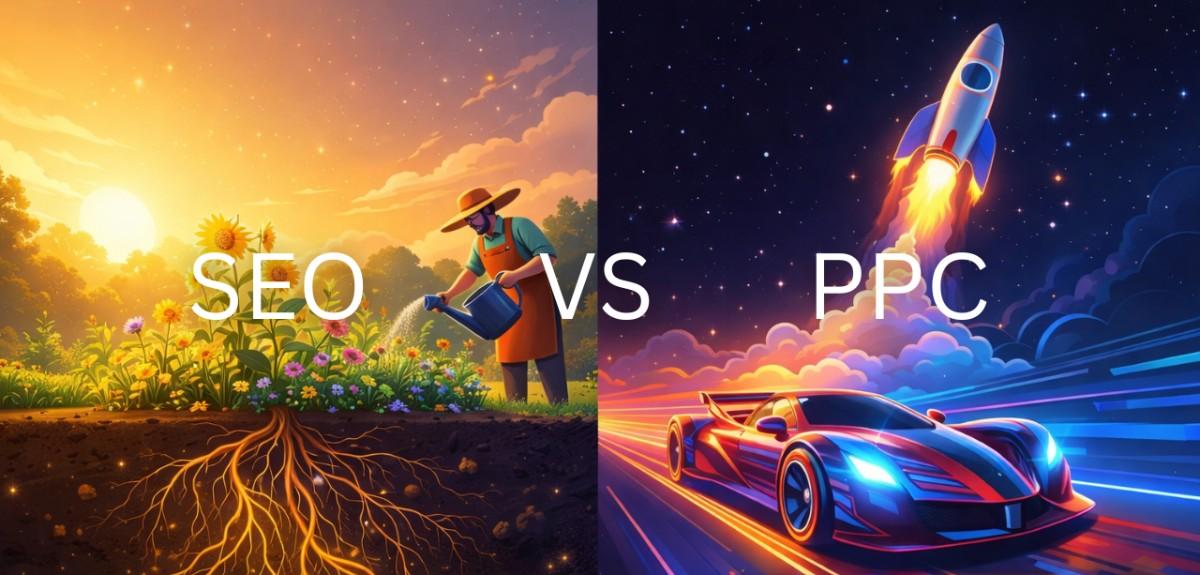
The digital landscape for US businesses has never been more competitive. As we navigate 2026, the traditional battle of SEO vs PPC has evolved into a sophisticated game of data and intent. Whether you are a SaaS founder in Austin or an e-commerce giant in New York, choosing the right seo and ppc management strategy is the difference between scaling sustainably and burning through your marketing budget.
In this guide, we’ll break down how to balance organic traffic growth with aggressive paid search campaigns to maximize your digital marketing ROI.
What is SEO?
Search Engine Optimization (SEO) is the practice of earning visibility in the organic (non-paid) section of search engines. In 2026, SEO has moved far beyond simple keyword matching. It is now about topical authority and meeting the strict standards of Google’s E-E-A-T (Experience, Expertise, Authoritativeness, and Trustworthiness).
Organic Search Visibility
SEO ensures your brand appears when users ask questions or seek solutions. Because you don’t pay for individual clicks, it remains one of the most cost-effective ways to build a marketing funnel strategy that works while you sleep.
Long-Term Traffic Benefits
Unlike ads, which disappear the moment you stop paying, SEO assets—like long-form guides and optimized service pages—continue to attract users for years. It is a compounding digital asset.
Content Authority and Ranking Factors
With the rise of AI Overviews, ranking now requires "Modular Content." This means your site must provide clear, concise answer blocks that search engines can easily parse to solve a user's problem instantly.
What is PPC?
Pay-Per-Click (PPC) is a model of digital advertising where you pay a fee each time one of your ads is clicked. It is essentially buying visits to your site, rather than attempting to “earn” them organically.
The Google Ads Ecosystem
In 2026, the Google Ads strategy is heavily reliant on AI-driven automation, such as Performance Max campaigns. These campaigns use machine learning to show your ads across Search, YouTube, and Gmail to the users most likely to convert.
Immediate Traffic and Targeting
PPC is the "instant gratification" of digital marketing. Within hours of launching a campaign, you can have your brand at the top of the SERP (Search Engine Results Page). It offers surgical targeting based on demographics, geography, and real-time purchase intent.
SEO vs PPC — Quick Comparison Table
| Metric | SEO (Organic) | PPC (Paid) |
| Cost | Upfront investment in content/tech | Pay-per-click (ongoing budget) |
| Time to Results | 3–9 months | Immediate |
| ROI | Higher long-term (compounding) | Fast, but linear |
| Scalability | High (content can reach millions) | Limited by daily ad budget |
| Risk | Algorithm updates | Rising CPC and "ad fatigue" |
PPC in SEO — How Paid Ads Support Organic Growth
The smartest marketers in the USA no longer view these as silos. Instead, they use ppc in seo to gather intelligence.
- Keyword Testing: Use PPC to see which keywords actually lead to sales before spending six months trying to rank for them organically.
- Audience Insights: Paid data reveals the age, location, and interests of your buyers, which should inform your SEO content tone.
- Landing Page Optimization: PPC allows for A/B testing of headlines and CTA buttons. Once you find a winner, apply those changes to your high-traffic SEO pages to boost conversion optimization.
SEO and PPC Management — Why Smart Businesses Combine Both
Effective seo and ppc management is about dominating the "real estate" of the search page. When a user sees your brand in the sponsored section and the top organic spot, your credibility skyrockets.
- Brand Dominance: Occupying multiple spots on the SERP increases the likelihood of a click by over 30% based on industry trends.
- Retargeting: Use SEO to bring in "cold" traffic via informative blog posts, then use PPC retargeting ads to bring those users back to finish their purchase.
- Holistic Funnel Strategy: SEO captures top-of-funnel "how-to" queries, while PPC captures bottom-of-funnel "buy now" intent.
PPC and SEO Strategy for US Businesses
Your mix of ppc and seo strategy should depend on your specific business model:
- SaaS Companies: High investment in SEO for "problem-solving" keywords, paired with LinkedIn PPC for account-based marketing.
- Ecommerce Brands: Heavy reliance on Google Shopping (PPC) for fast sales, supported by SEO for product category pages.
- Local Service Businesses: Focus on Local SEO (Google Maps) and "near me" PPC ads to capture immediate local leads.
- B2B Lead Generation: High-authority whitepapers (SEO) promoted via targeted search ads (PPC).
Cost Comparison in the USA
In the US market, competition is fierce. The average search engine marketing USA costs have risen, but the return remains strong for those with a plan.
- PPC Competition: In high-stakes industries like Legal or Insurance, a single click can cost over $50. In 2026, automation helps manage these costs, but a healthy budget is mandatory.
- SEO Timelines: Expect to invest for at least 6 months before seeing a positive return. However, once the "flywheel" starts spinning, your lead generation marketing costs drop significantly.
Pros and Cons Comparison Table
| Strategy | Pros | Cons |
| SEO | Builds trust; Zero "per-click" cost; Sustainable. | Slow to start; Requires technical maintenance. |
| PPC | Instant leads; Highly measurable; Granular control. | Stops when budget stops; Can be expensive; Ad blindness. |
When to Choose SEO vs PPC
Choose SEO if:
- You have a limited daily budget but can invest in long-term growth.
- You want to build a brand that is seen as an industry authority.
- You have the "patience capital" to wait 6+ months for a major ROI.
Choose PPC if:
- You are launching a new product and need sales now.
- You have a high-margin product that can absorb ad costs.
- You are running a time-sensitive promotion or seasonal event.
Future Trends (2026 Outlook)
The future of search is conversational.
- AI Overviews (SGE): Google is now summarizing search results. To win, your SEO must be "citeable."
- Automation in Advertising: AI now handles 80% of bidding. The human role in paid search campaigns has shifted to "creative strategy" and "data feeding."
- Answer Engine Optimization (AEO): We are no longer just optimizing for keywords; we are optimizing for answers to specific user prompts.
FAQs
Is SEO better than PPC for small businesses?
SEO is often better for long-term sustainability as it builds an asset you own. However, most small businesses need PPC initially to generate the cash flow required to fund their SEO efforts.
How does PPC help SEO performance?
PPC provides immediate data on which keywords convert. By sharing this data, your SEO team can focus on ranking for terms that are proven to drive revenue, rather than just "vanity" traffic.
Should companies invest in both SEO and PPC?
Yes. A hybrid approach provides the best digital marketing ROI. It allows you to capture immediate demand with PPC while building a long-term, low-cost lead source through SEO.
How long does SEO take compared to PPC?
PPC is instant; your ads can go live today. SEO typically takes 3 to 9 months to show significant results, depending on your industry's competition level.
Which has better ROI in the USA?
In the long run (12+ months), SEO almost always has a higher ROI because the cost per lead decreases over time. PPC provides a faster ROI in the short term but remains a fixed cost.
READ ALSO:- What Is AdTech? Everything You Need to Know
Conclusion
In 2026, the winner isn't "SEO" or "PPC"—it is the brand that masters seo and ppc management as a unified engine. Use PPC to win the battle for immediate leads and SEO to win the war for market authority.
By aligning your ppc and seo strategy, you ensure that every dollar spent contributes to both immediate sales and long-term brand equity. Whether you are focused on organic traffic growth or scaling paid search campaigns, the goal remains the same: being there when your customer needs an answer.
Other top blogs
Related Articles
Continue your learning journey with these related insights
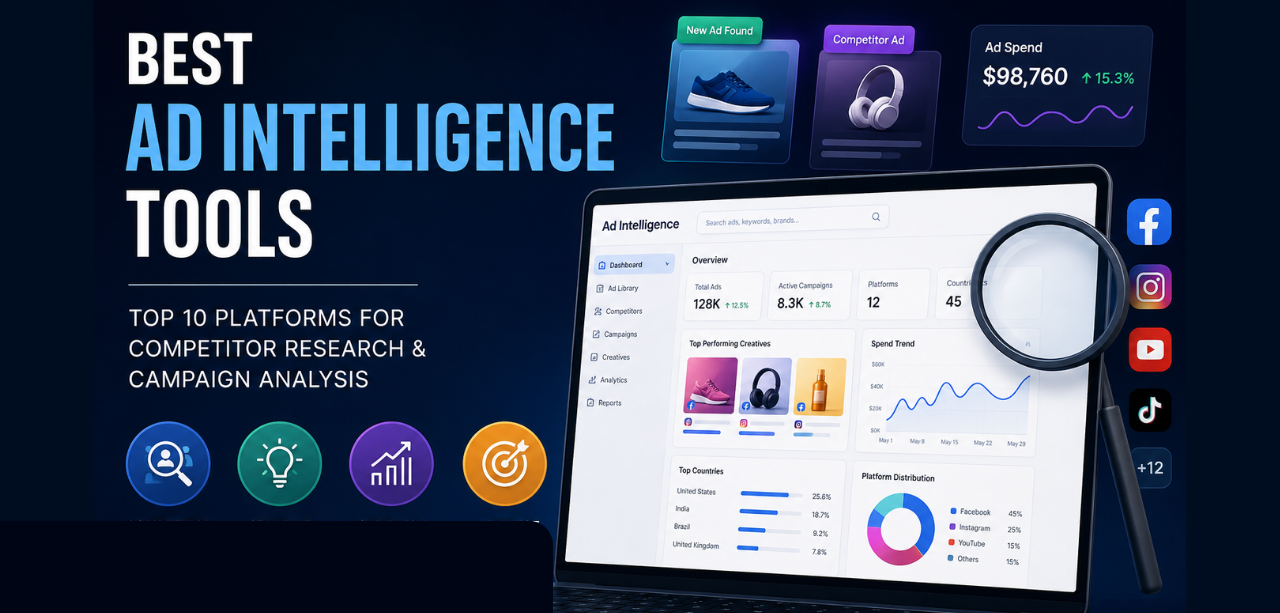
10 Best Ad Intelligence Tools in 2026
Introduction Advertising has become a game of visibility. Every brand, in every category, is competing for the same limited attention on Facebook, Google, TikTo
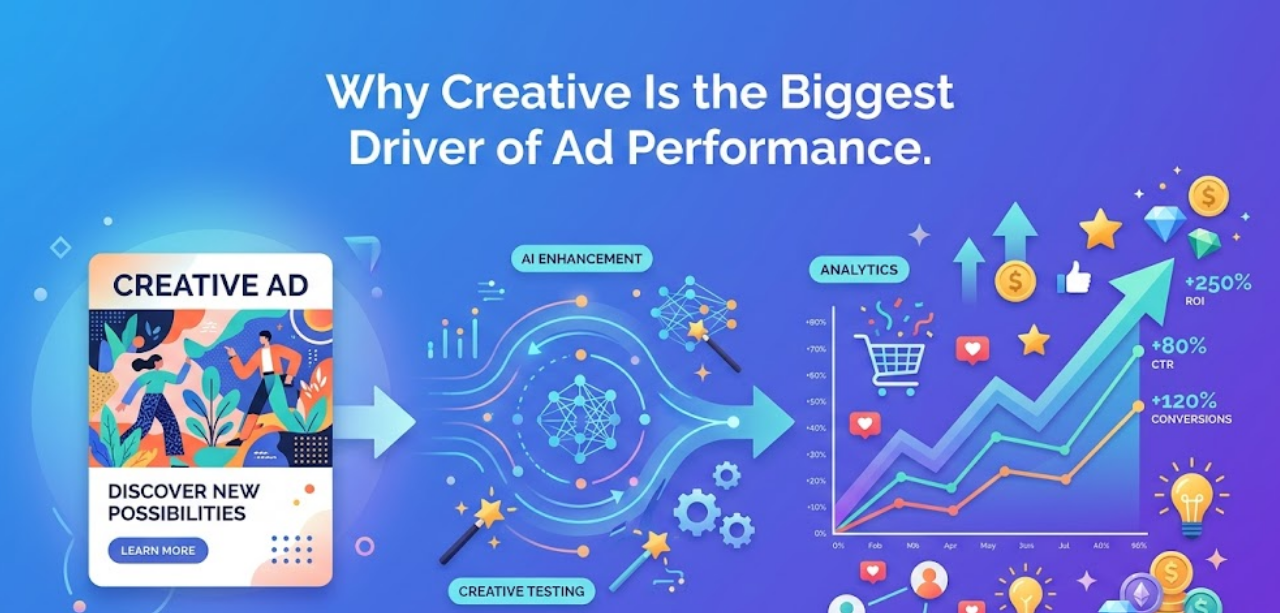
Why Creative Is the Biggest Driver of Ad Performance
A few years ago, if you asked a media buyer where to spend an extra hour of their week, almost nobody would have said "on the creative." That hour went to audie
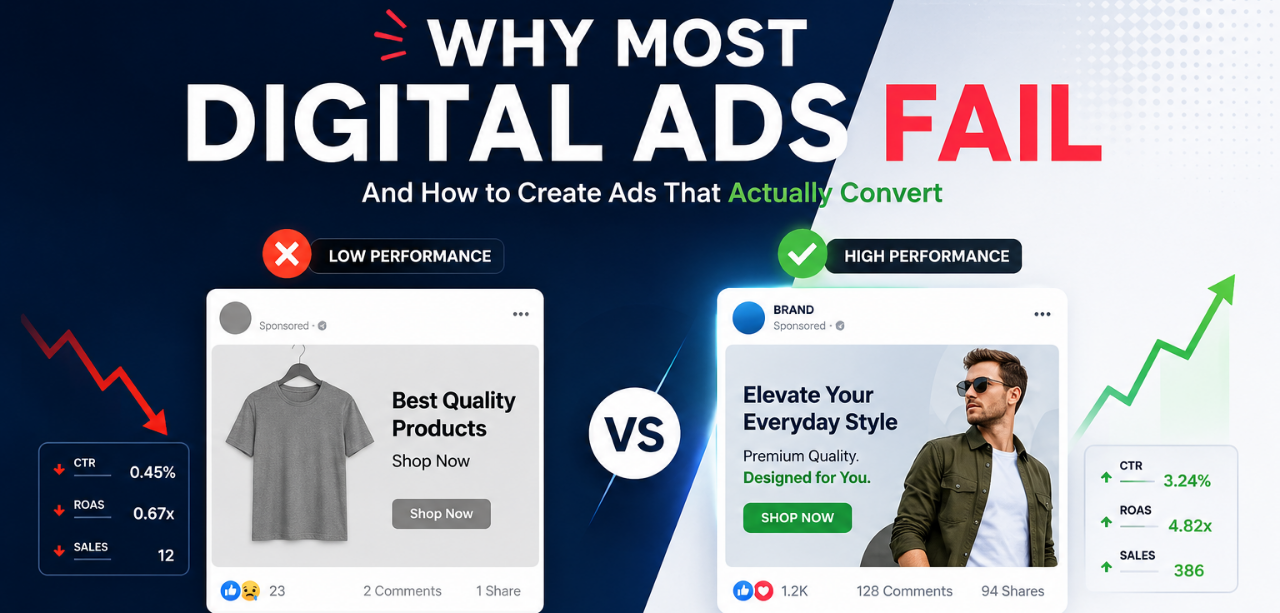
Why Most Digital Ads Fail
Many businesses pour thousands of dollars into digital advertising every month, expecting a steady stream of sales in return. Then the results come in, and they
Ready to Transform Your Advertising Strategy?
Join thousands of advertisers who trust Performoo to optimize their campaigns and maximize revenue.