Programmatic Video Advertising: What It Is, How It Works, and Why You Need It
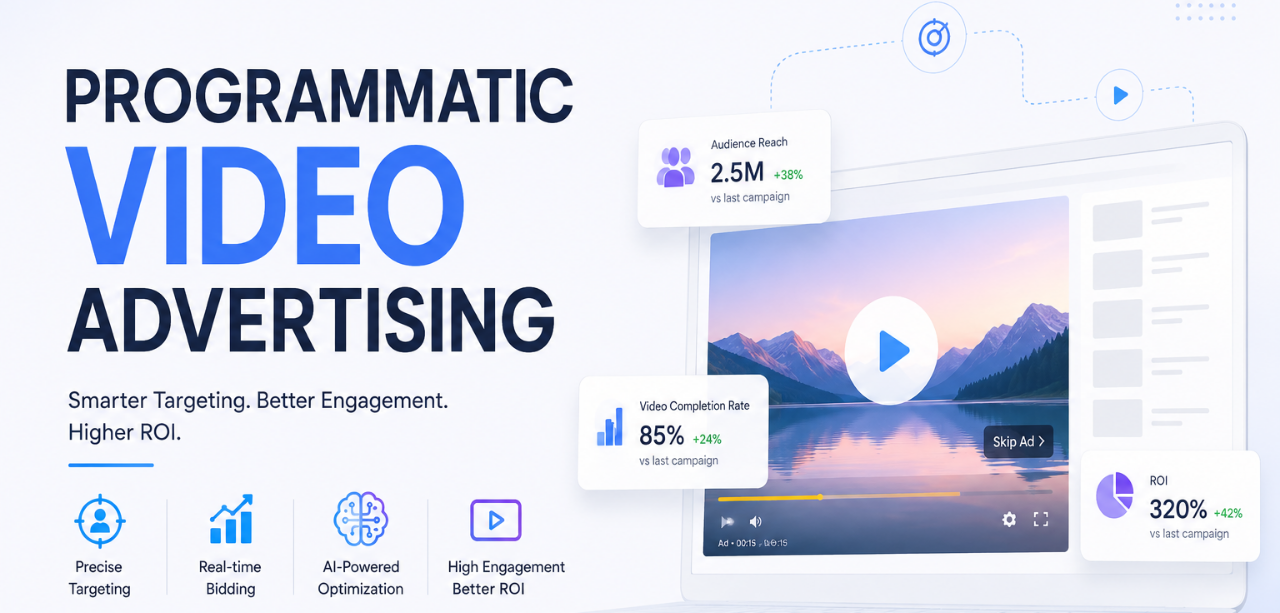
Video is no longer just a content format — it’s the dominant language of digital advertising. By 2026, digital video ad spend is projected to surpass $120 billion globally, with brands of every size competing for seconds of viewer attention. In this environment, manually buying ad placements the old-fashioned way simply doesn’t cut it anymore.
That’s where programmatic video advertising comes in — an automated, data-driven approach to buying and delivering video ads that puts the right message in front of the right person at exactly the right moment. And with AI now embedded into every layer of the process, platforms like Dilogs AI are helping brands produce, optimize, and scale video campaigns faster than ever before.
What Is Programmatic Video Advertising?
Programmatic video advertising is the automated buying and selling of video ad inventory using software, algorithms, and real-time data — instead of human negotiation and manual insertion orders.
In traditional advertising, a brand’s media team would call a publisher, negotiate a price, and book a slot days or weeks in advance — often with limited targeting options. Programmatic flips that model entirely.
Here’s how the ecosystem works:
- DSP (Demand-Side Platform): The tool advertisers use to purchase ad inventory across multiple networks simultaneously. Think of it as your buying dashboard.
- SSP (Supply-Side Platform): The tool publishers use to sell their available ad space to the highest bidder.
- Ad Exchange: The digital marketplace where DSPs and SSPs meet and transact in real time.
- RTB (Real-Time Bidding): The auction process that happens in milliseconds — literally before a webpage finishes loading — to determine which ad gets shown.
The result? Ad buying that’s faster, smarter, and infinitely more targeted than anything traditional media could offer.
How Programmatic Video Advertising Works: Step by Step
Understanding the mechanics helps you appreciate why this technology is transforming digital marketing. Here’s the full flow:
- A user visits a website or opens an app. Their browser or device signals that ad inventory is available.
- The publisher’s SSP broadcasts the impression to ad exchanges, along with anonymized audience data — demographics, browsing behavior, location, device type, and more.
- Advertisers’ DSPs evaluate the impression against their campaign targets and place bids in real time (typically within 100 milliseconds).
- The highest bid wins and the winning video ad is instantly served to that user.
- AI continuously analyzes performance — which creatives are working, which audiences are converting — and adjusts bids and targeting automatically.
This entire cycle happens before the page finishes loading. It’s invisible, instantaneous, and incredibly powerful.
Benefits of Programmatic Video Advertising
Brands aren’t shifting budgets toward programmatic for novelty — they’re doing it because the results speak for themselves.
Precision Targeting Forget demographic buckets. Programmatic lets you target based on intent signals, past behavior, purchase history, and contextual relevance. You can reach a 35-year-old running enthusiast who searched for “trail shoes” yesterday — not just “adults 25–45.”
Higher ROI Because you’re only paying for impressions that match your audience criteria, wasted ad spend drops dramatically. Studies consistently show programmatic campaigns delivering 2–5× better ROI compared to traditional media buys.
Automation at Scale Once your campaign parameters are set, the system manages bidding, placement, and pacing automatically — freeing your team to focus on strategy and creative.
Faster Optimization Traditional campaigns might run for weeks before you get meaningful performance data. Programmatic campaigns surface insights within hours, allowing rapid iteration.
Cross-Platform Reach Run the same campaign seamlessly across desktop, mobile, connected TV, and social — all from a single platform, with consistent targeting applied everywhere.
Data-Driven Decisions Every impression, view, and click generates actionable data. Over time, you build a clearer picture of what works — and your campaigns get smarter with each cycle.
Types of Programmatic Video Ads
Not all video ads are created equal. Here’s a breakdown of the main formats:
- In-Stream Ads: Play before, during, or after video content (like YouTube pre-rolls). High visibility, strong completion rates.
- Out-Stream Ads: Appear within article text or between paragraphs — no video player required. Expands only when in view.
- Connected TV (CTV) Ads: Served on smart TVs and streaming platforms like Roku or Fire TV. Premium, non-skippable formats with TV-quality audiences.
- Mobile Video Ads: Optimized for vertical viewing on smartphones — critical for reaching mobile-first audiences.
- Social Video Ads: Programmatically delivered through social platforms’ ad ecosystems (Facebook, TikTok, Instagram).
- Rewarded Video Ads: Users voluntarily watch a full ad in exchange for in-app rewards. Among the highest engagement and completion rates of any format.
Choosing the right mix depends on your audience, budget, and campaign objectives.
The Role of AI in Programmatic Video Advertising
AI isn’t just a feature in programmatic advertising — it’s the engine driving the entire system forward. Here’s where AI is making the biggest impact:
AI-Powered Targeting Machine learning models analyze thousands of data points per user to predict who is most likely to engage or convert. Targeting improves automatically as more campaign data is collected.
Predictive Analytics AI forecasts future performance based on historical patterns — helping you allocate budget toward placements and time slots most likely to deliver results before you spend a dollar.
Smart Bidding Instead of fixed bids, AI dynamically adjusts how much you pay per impression based on conversion probability. You bid higher for high-value users and lower for less relevant ones — automatically.
Creative Optimization AI tests multiple ad variations simultaneously, identifies which hooks, CTAs, and visuals drive the best results, and serves the winning creative more aggressively.
Hyper-Personalized Ads AI enables true 1:1 personalization — dynamically assembling ad components (visuals, copy, offers) based on individual viewer context, in real time.
How Dilogs AI Fits In
This is where platforms like Dilogs AI are changing the game for brands. Creating high-quality video ad creatives has traditionally been slow, expensive, and resource-intensive. Dilogs AI removes those barriers by enabling brands to:
- Generate AI-powered video ads without a production team or large budget
- Create multiple ad variations quickly for A/B testing across different audiences and formats
- Improve ad performance through AI-driven creative recommendations
- Scale campaigns efficiently — producing dozens of tailored creatives in the time it used to take to produce one
- Slash production costs while maintaining professional-quality output
For startups, e-commerce brands, and agencies managing multiple clients, this kind of AI-assisted creative production is a genuine competitive advantage.
Best Practices for Successful Programmatic Video Campaigns
Running a programmatic campaign isn’t just about setting up the tech — strategy and creative quality still determine success.
- Define granular audience segments. Don’t target broadly. Build specific audience personas and create tailored messaging for each.
- Hook viewers in the first 3 seconds. Most drop-offs happen immediately. Lead with your strongest visual or most compelling statement.
- Optimize for mobile first. Over 70% of video is consumed on mobile. Design for vertical formats and assume no sound initially.
- A/B test relentlessly. Test different hooks, CTAs, lengths, and visual styles. Let data — not gut feeling — pick your winners.
- Track the right metrics. View-through rate, completion rate, and post-view conversions matter more than raw impressions.
- Leverage AI tools like Dilogs AI to speed up creative production and reduce the time between insight and action.
- Tell a story. Even a 15-second ad can have a beginning, middle, and payoff. Narrative structure drives emotional engagement.
- Keep it concise. For most platforms, 15–30 seconds is the sweet spot. Respect your audience’s time.
Common Challenges — and How to Solve Them
Programmatic video isn’t without friction. Here are the biggest pain points and practical solutions:
Ad Fraud Bots generate fake impressions, draining budgets without delivering real eyeballs. Solution: Work with vendors that use third-party fraud verification (IAS, DoubleVerify) and prioritize premium, verified inventory.
Privacy and Data Regulations GDPR, CCPA, and evolving global privacy laws limit data collection. Solution: Build first-party data strategies — email lists, CRM data, loyalty programs — that don’t rely on third-party cookies.
Brand Safety Your ad appearing next to inappropriate content is a real risk. Solution: Use keyword blocking, content category exclusions, and curated private marketplace deals with vetted publishers.
Rising Competition More brands entering programmatic means higher CPMs in competitive categories. Solution: Improve creative quality and targeting precision rather than simply raising bids.
Creative Fatigue Audiences become blind to ads they’ve seen too many times. Solution: Rotate creatives frequently, set frequency caps, and use AI tools to generate fresh variations continuously.
The Future of Programmatic Video Advertising
The next few years will reshape what’s possible in digital video. Key trends to watch in 2026 and beyond:
- AI-Generated Ad Creatives: Fully automated video production at scale — personalized, on-brand, and ready to deploy in minutes.
- Hyper-Personalization: Ads dynamically assembled for each individual viewer based on their real-time context, preferences, and behavior.
- Cookieless Targeting: Contextual signals, first-party data, and privacy-safe identity solutions replacing third-party cookies as the backbone of audience targeting.
- Interactive Video Ads: Shoppable videos, clickable overlays, and choose-your-own-path formats that transform passive viewing into active engagement.
- CTV Expansion: Connected TV is the fastest-growing programmatic channel, offering TV-scale reach with digital-level precision.
- Voice + AI Integration: Voice-activated ad experiences and AI assistants influencing which ads are served based on conversational context.
- Automated Creative Production: Platforms like Dilogs AI are at the forefront of this shift — making it possible for any brand to produce professional video ads at the speed and volume that modern programmatic campaigns demand.
Conclusion: The Future Belongs to Brands That Automate Intelligently
Programmatic video advertising has matured from an experimental tactic into a foundational pillar of modern digital marketing. Its ability to deliver precision targeting, real-time optimization, and cross-platform scale makes it indispensable for any brand serious about digital growth in 2026.
But technology alone isn’t enough. The brands winning in this space are combining smart programmatic strategy with high-quality, data-driven creative — and they’re using AI to do it faster and more efficiently than their competitors.
Brands that combine AI with programmatic advertising will have a major advantage in the future digital landscape. Tools like Dilogs AI make it easier than ever to create high-performing video ads at scale — from ideation to deployment — so you can spend less time on production and more time on results.
The question isn’t whether to adopt programmatic video advertising. It’s whether you’ll do it with the right tools.
Other top blogs
Related Articles
Continue your learning journey with these related insights
Programmatic vs Google Ads
Digital advertising has transformed dramatically over the past decade. With automated advertising now accounting for over 80% of US digital display advertising spend and the industry projected to reach $460 billion, choosing the right advertising platform has never been more critical for marketers. If you’re trying to decide between programmatic advertising and Google Ads (formerly […]
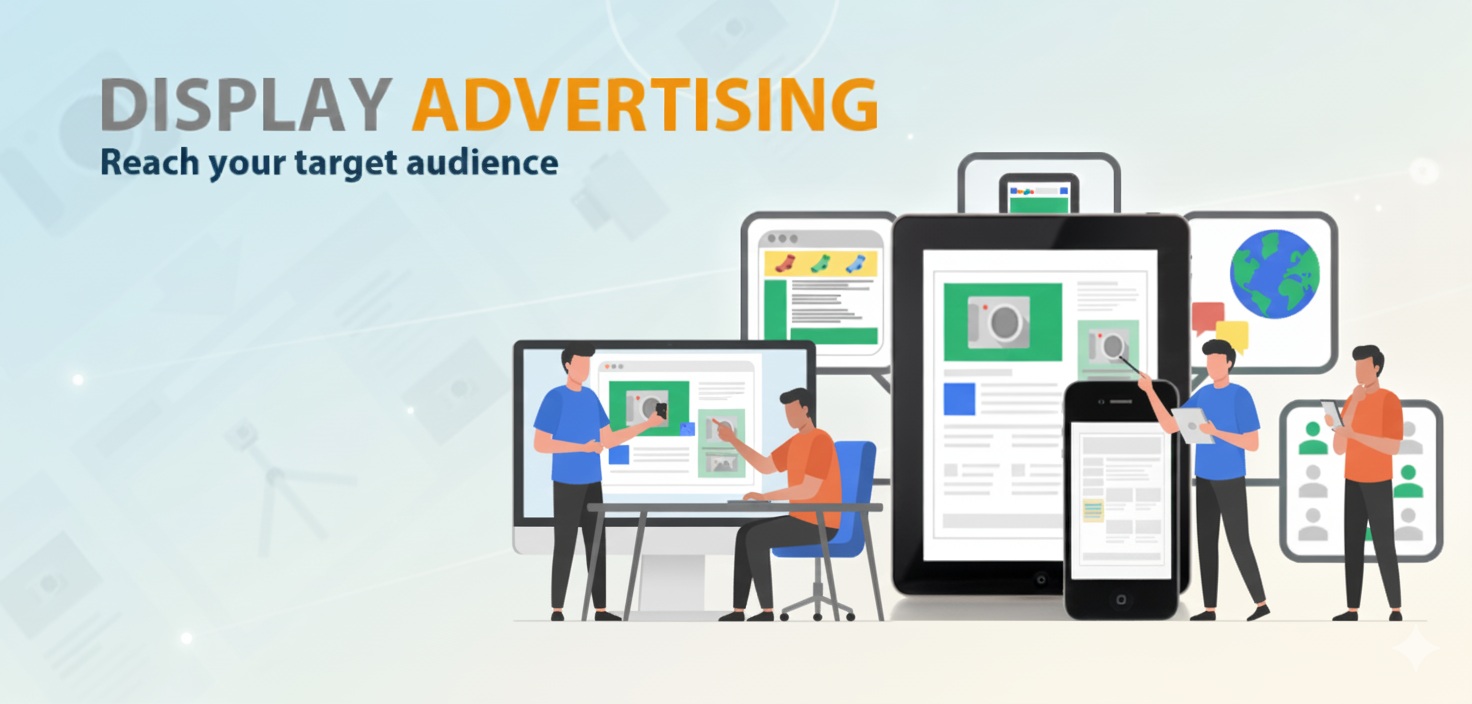
What is Display Advertising?
Display advertising can be described as a kind of digital advertising that uses the use of visual elements such as animated videos, text photos, and other visuals. They are usually displayed in mobile applications and websites. In contrast to traditional offline ads (such as billboards and printed advertisements) with the aim of raising awareness of […]
Ready to Transform Your Advertising Strategy?
Join thousands of advertisers who trust Performoo to optimize their campaigns and maximize revenue.