How to Optimize Click Through Rate (CTR): Complete Guide for 2025
What is Click Through Rate and Why It Matters
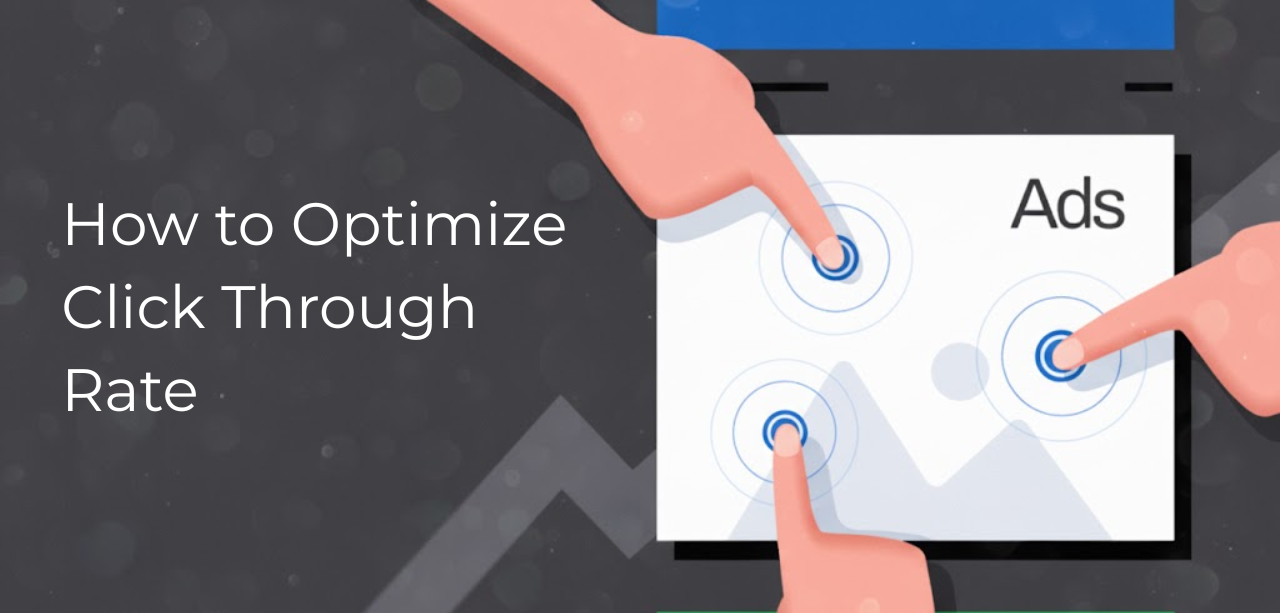
Click through rate (CTR) is the percentage of people who click on your link after seeing it. It's calculated with a simple formula: divide the number of clicks by impressions, then multiply by 100. For instance, if 100 people see your ad and 5 click it, your CTR is 5%.
Understanding CTR is critical because it reveals what resonates with your audience and what falls flat. A strong CTR indicates your messaging connects with the right people, while a weak one suggests misalignment between your content and audience expectations.
Beyond measuring effectiveness, CTR directly impacts your advertising costs. Search engines like Google reward high-performing ads with better positions and lower costs per click. This creates a virtuous cycle where optimized ads cost less and perform better.
Understanding Good CTR Benchmarks by Industry
CTR varies significantly across industries. Here's what qualifies as strong performance:
Standard Industries: Most sectors see average CTRs between 4-6%. Achieving 7-9% positions you above average.
High-Performing Sectors: Travel, automotive sales, and real estate typically see 7-9% averages. Strong performers in these spaces reach 10-12%.
Entertainment and Arts: This industry enjoys the highest benchmarks at 11% average, with exceptional campaigns hitting 13% or higher.
These benchmarks provide starting points, but your goal should always be continuous improvement rather than settling for industry averages.
The CTR-Quality Score Connection
Your CTR doesn't exist in isolation. It forms one-third of Google's Quality Score formula, alongside landing page experience and ad relevance. Here's why this matters:
Search engines prioritize ads likely to get clicks because that's how they generate revenue. When you consistently achieve high CTRs, the algorithm interprets this as a quality signal and rewards you with:
- Higher ad positions without increasing bids
- Lower cost per click compared to competitors
- Better overall return on ad spend
- Improved expected CTR scores for future campaigns
This relationship between CTR and advertising costs makes optimization essential for sustainable campaign performance.
Keyword Strategy for Higher CTR
Your keyword choices fundamentally determine who sees your ads and whether they click. Focus on these three keyword types:
Branded Keywords: Target searches including your company name. These searchers already know you and convert at higher rates with stronger CTRs.
Long-Tail Keywords: Phrases like "affordable running shoes for flat feet" attract searchers with specific intent. They generate fewer impressions but higher engagement.
High Commercial Intent: Keywords signaling buying readiness like "buy," "discount," or "near me" connect you with motivated prospects.
Equally important is your negative keyword list. Adding terms like "free," "used," or "refurbished" (when selling new products) prevents wasted impressions on unlikely clickers. This keeps your CTR healthy by narrowing your audience to qualified prospects.
Writing Ad Copy That Drives Clicks
Your ad copy makes the difference between scrolls and clicks. Apply these principles:
Keep It Scannable
Online readers glance rather than read. Your ad needs to communicate value instantly. Use short sentences, clear language, and get straight to benefits without fluff.
Lead with Numbers and Offers
Headlines containing specific numbers outperform vague claims. "Save 40%" beats "Save money." "Free shipping on orders over $50" beats "Great deals available." Put these offers in headlines where they're guaranteed to be seen.
Create Emotional Resonance
Subtle emotional language outperforms hype. Instead of "Best product ever!" try "Feel confident in any meeting" or "Sleep better starting tonight." These phrases address real desires without overselling.
Include Strong Calls to Action
Don't assume people know what to do next. Explicitly invite action with phrases like:
- "Start your free trial today"
- "Download the guide now"
- "Schedule your consultation"
- "Shop the sale"
Better CTAs combine action with benefit: "Start saving today" or "Get expert advice now."
Technical Optimization Tactics
Leverage Display Paths
The text after your domain URL in search ads shouldn't be wasted. Use these paths to reinforce your keyword or value proposition. Compare "example.com/page" versus "example.com/Free-Shipping/Premium-Shoes" – the second communicates more value.
Use Dynamic Keyword Insertion Strategically
Dynamic keyword insertion automatically matches your ad text to search queries. This creates highly relevant ads but requires careful implementation. It works well for establishing baseline performance but shouldn't replace thoughtful ad copywriting for your best campaigns.
Deploy Ad Extensions
Sitelinks, callouts, and structured snippets make your ads larger and more clickable. They provide additional information and give searchers more reasons to click. While extensions alone won't transform poor ads, they consistently improve performance of solid ads by 5-10%.
Visual Content for Better Engagement
Images significantly boost CTR across platforms. The type of visual matters based on your channel:
Social Media: Bright, eye-catching images with people perform best. Test lifestyle shots versus product photos.
Display Ads: Simple, uncluttered designs with clear focal points drive clicks. Avoid busy images that confuse at a glance.
Email: Relevant product images or infographics that preview the content increase engagement.
Always A/B test different visual styles to identify what your specific audience prefers. What works for one brand or industry often fails for another.
Platform-Specific Strategies
Google Ads CTR Optimization
Test extensively – top-performing accounts run 100+ ad variations. This doesn't mean creating 100 ads immediately, but commit to ongoing testing with 3-4 active variants per ad group.
Focus your efforts on your top-performing ad groups rather than spreading testing thin across your entire account. These groups generate 85% of impressions, so improvements here drive real results.
Consider eliminating your bottom-performing third of campaigns and reallocating that budget to remarketing. Display remarketing typically costs less per click while maintaining or improving conversion rates.
Social Media CTR Tactics
Research trending and industry-specific hashtags to expand reach. Strategic hashtag use on platforms like LinkedIn, Facebook, and X increases visibility to interested audiences beyond your followers.
Post timing affects CTR significantly. Test different days and times to identify when your audience is most active and engaged.
Email Marketing CTR Improvements
Subject lines function like ad headlines – they determine whether you get the "click" of an open. Test different approaches: questions, urgency, personalization, and curiosity.
Within emails, position your primary CTA above the fold and repeat it for longer messages. Use contrasting button colors that stand out from your template.
The Critical Distinction: CTR vs Conversion Rate
High CTR means nothing if those clicks don't convert. You're paying for every click in PPC advertising, so a 15% CTR with a 1% conversion rate costs more than a 7% CTR with a 4% conversion rate.
Your target should be a high qualified click-through rate – attracting people likely to take your desired action, not just anyone who might click.
This is why keyword relevance matters so much. Broad keywords might generate impressive CTR numbers but often attract tire-kickers rather than buyers. Prioritize keywords that are:
- Relevant to your offer
- Affordable given your profit margins
- Used by your ideal customers
Building User Personas for Better Targeting
Understanding your ideal customer dramatically improves CTR by helping you craft messages that resonate. Create user personas by answering:
Who are they? Demographics, job roles, interests, challenges
What do they want? Goals they're trying to achieve
What blocks them? Obstacles preventing success
Use surveys and interviews to gather real data rather than assumptions. Post-purchase surveys catch customers when they're most willing to share feedback. Direct interviews reveal nuanced needs that surface-level data misses.
Armed with persona insights, you can write ad copy addressing specific pain points and desires of your best customers, naturally improving relevance and CTR.
Testing and Iteration Framework
Optimization never ends. Implement this continuous improvement cycle:
Week 1-2: Establish baseline performance for current ads
Week 3-4: Launch 2-3 variants testing one element (headline, CTA, or offer)
Week 5-6: Analyze results, pause losers, scale winners, launch new tests
Week 7-8: Test different element while continuing successful variants
Track these metrics weekly:
- CTR by ad and ad group
- Conversion rate by ad
- Cost per conversion
- Quality Score changes
Document what you learn. "Urgency CTAs outperformed benefit CTAs by 23%" becomes institutional knowledge guiding future tests.
Common CTR Mistakes to Avoid
Ignoring mobile experience: Over 60% of searches happen on mobile. Test your ads and landing pages on phones.
Inconsistent messaging: When your ad promises "Free shipping" but your landing page doesn't mention it, clicks don't convert.
Overlooking ad fatigue: The same creative shown repeatedly sees declining CTR. Refresh ads every 6-8 weeks.
Targeting too broadly: Trying to appeal to everyone means appealing to no one. Narrow focus improves message relevance.
Forgetting about brand awareness: Not everyone who sees your ad is ready to click. Consistency builds familiarity that converts over time.
Advanced CTR Optimization Techniques
Audience Layering
Combine keyword targeting with demographic or interest-based audiences. This narrows focus to people most likely to engage, improving CTR even if overall reach decreases.
Time-of-Day Bidding
Analyze when your CTR peaks and increase bids during those windows. Reduce bids during low-performing hours to improve efficiency.
Competitor Analysis
Research competitor ads using tools or simply searching your keywords. Identify what they're doing well and differentiate your approach.
Seasonal Optimization
Adjust messaging around holidays, seasons, or industry events. "Back to school" or "Year-end clearance" language resonates when timely.
Measuring Success Beyond CTR
While optimizing CTR, monitor these interconnected metrics:
Conversion Rate: Percentage of clicks that complete your goal
Cost Per Acquisition: Total ad spend divided by conversions
Return on Ad Spend: Revenue generated per dollar spent
Quality Score: Google's rating of ad relevance and expected performance
Impression Share: Percentage of possible impressions you're capturing
These metrics reveal whether CTR improvements translate to business outcomes or just increased costs.
Action Plan: Your 30-Day CTR Optimization Sprint
Days 1-5: Audit current performance, document baselines, identify lowest-performing ads
Days 6-10: Research competitor ads, refresh your user personas, brainstorm new angles
Days 11-15: Write 3-4 new ad variants for top ad groups incorporating emotional copy and strong CTAs
Days 16-20: Add negative keywords, implement ad extensions, optimize display paths
Days 21-25: Review early results, pause clear losers, increase budget on winners
Days 26-30: Document learnings, plan next testing cycle, celebrate improvements
READ ALSO:- How to Measure and Optimize a Campaign
Conclusion
Optimizing click-through rate combines art and science. The science lies in systematic testing, careful measurement, and data-driven decisions. The art emerges in understanding your audience deeply enough to craft messages that resonate emotionally.
Start with low-hanging fruit: add negative keywords, write benefit-focused headlines, include clear calls to action. These foundational changes typically improve CTR by 20-30% within weeks.
Then commit to ongoing optimization through regular testing. The difference between average and exceptional CTR comes from sustained effort, not one-time fixes.
Remember that CTR serves your business goals – it's not the goal itself. Balance CTR optimization with conversion tracking to ensure clicks translate into customers.
Your highest CTR means nothing if it doesn't drive profitable growth.
Related Articles
Continue your learning journey with these related insights
10 Best Ad Intelligence Tools in 2026
Introduction Advertising has become a game of visibility. Every brand, in every category, is competing for the same limited attention on Facebook, Google, TikTo
Why Creative Is the Biggest Driver of Ad Performance
A few years ago, if you asked a media buyer where to spend an extra hour of their week, almost nobody would have said "on the creative." That hour went to audie
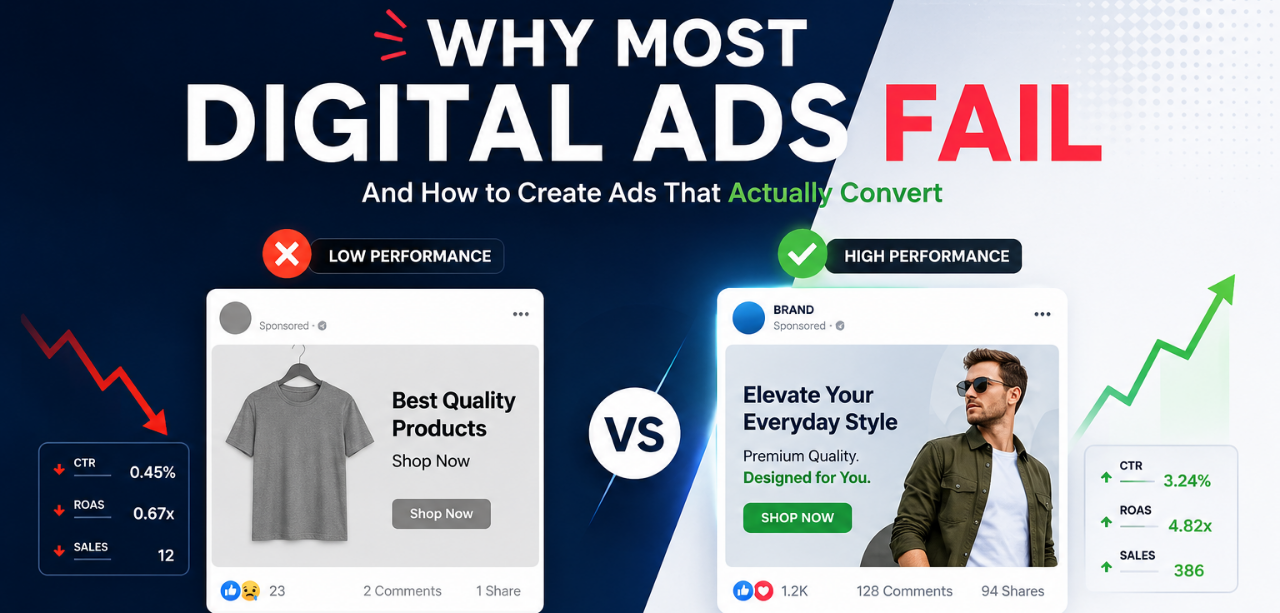
Why Most Digital Ads Fail
Many businesses pour thousands of dollars into digital advertising every month, expecting a steady stream of sales in return. Then the results come in, and they
Ready to Transform Your Advertising Strategy?
Join thousands of advertisers who trust Performoo to optimize their campaigns and maximize revenue.