AI Sales Strategy: The Complete Guide for Modern Businesses
The modern sales landscape has shifted from a game of "who you know" to "how well you use your data." For years, sales leaders relied on grit, high-volume cold calling, and intuition. But in 2026, the complexity of the buyer journey has outpaced human bandwidth.
Traditional strategies are struggling. Buyers are more informed, and their digital footprints are scattered across dozens of channels. To stay competitive, high-growth organizations are moving away from manual guesswork. The rise of AI sales strategy is not just a trend—it is the new baseline for any business that intends to scale without burning out its talent.
What is an AI Sales Strategy?
An AI sales strategy is a data-driven framework that integrates artificial intelligence and machine learning into the sales lifecycle to automate repetitive tasks, predict buyer behavior, and provide real-time insights. It moves a revenue team from reactive selling to proactive, personalized engagement by leveraging algorithms to optimize every stage of the sales funnel.
Why Businesses Are Adopting AI Sales Strategy
The shift toward an ai driven sales strategy is fueled by the need for speed and precision. Based on enterprise adoption trends, organizations that ignore AI find themselves stuck in "administrative hell," where reps spend more time updating CRMs than actually talking to prospects.
- Faster, Smarter Decisions: AI processes "mountains of data" in seconds, identifying which deals are likely to close and which are a waste of time.
- Hyper-Targeting: Instead of casting a wide net, AI uses buyer intent data to tell you exactly who is looking for your solution right now.
- Increased ROI: By optimizing the sales process, companies are seeing significant improvements in quota attainment—often reported as high as 30%—while reducing the cost of customer acquisition.
- The Power of Automation: AI sales automation handles the "drudge work," such as scheduling and follow-ups, allowing your human experts to focus on complex negotiations.
How AI Sales Strategy Works (Step-by-Step)
Implementing an ai sales strategy is a journey of turning raw data into revenue. Here is the typical five-step evolution:
1. Unified Data Collection
Everything starts with data. AI aggregates information from your CRM, email interactions, social media, and third-party sources. This creates a "single source of truth" for the AI to analyze.
2. Intelligent Lead Scoring
Gone are the days of manual "BANT" qualification. AI uses lead scoring AI to rank prospects based on historical success patterns and real-time engagement. It identifies the "hot" leads before a human even looks at the list.
3. Dynamic Personalization
Sales personalization at scale used to be a myth. Now, generative AI can draft tailored outreach messages that reference a prospect’s specific pain points, recent news, or industry trends—instantly.
4. Outreach and Workflow Automation
Once the message is ready, ai sales automation takes over the delivery. It determines the best time to send an email or place a call based on when a prospect is most likely to respond.
5. Continuous Performance Optimization
AI doesn't just execute; it learns. It performs "win/loss analysis" on every deal, feeding that intelligence back into the system to refine future outreach and pipeline forecasting.
Real-World Use Cases of AI in Sales
How does ai in sales look in practice? Here are four distinct scenarios:
- B2B SaaS Lead Generation: A software company uses AI to monitor "job change" triggers. When a champion at a client company moves to a new firm, the AI automatically alerts the rep and drafts a "congratulations" email with a tailored pitch.
- E-commerce Recommendations: AI analyzes a buyer’s past purchases and browsing behavior to suggest complementary products in real-time, significantly increasing average order value (AOV).
- Enterprise CRM Automation: Instead of reps manually logging calls, revenue intelligence tools like Gong transcribe meetings, summarize key takeaways, and update Salesforce fields automatically.
- Customer Retention Prediction: AI identifies "at-risk" accounts by flagging a sudden drop in product usage or a spike in support tickets, allowing the Success team to intervene before the renewal date.
Benefits of AI Sales Strategy
The advantages of adopting ai sales optimization go beyond just "doing things faster."
- Operational Efficiency: Reps gain back 10–15 hours per week by automating data entry and research.
- Conversion Improvement: Targeted, data-backed outreach results in 25–35% higher response rates.
- Forecast Accuracy: AI-driven pipeline forecasting reduces the "gut-feeling" variance that plagues quarterly reporting.
- Cost Reduction: Automation allows teams to scale revenue without exponentially increasing headcount.
AI Sales Strategy vs. Traditional Sales Approach
| Feature | Traditional Sales Approach | AI-Powered Sales Strategy |
| Lead Generation | Manual prospecting and "cold" lists. | Predictive analytics and intent-based targeting. |
| Qualification | Subjective (BANT) and inconsistent. | Algorithmic lead scoring AI based on data. |
| Personalization | Slow; manual research for each lead. | Automated, hyper-personalized outreach at scale. |
| Forecasting | Gut-feeling and historical averages. | Real-time, multi-variable revenue intelligence. |
| Admin Tasks | Reps spend 35% of their time selling. | Reps spend 60%+ of their time in customer-facing roles. |
Popular AI Sales Tools and Platforms
To execute an ai sales strategy, you need the right tech stack. The market is currently dominated by high-power platforms that integrate directly into your existing workflows:
- Salesforce Einstein: A pioneer in CRM automation, offering predictive scoring and "next-best-action" suggestions.
- HubSpot AI: Known for its "Breeze AI" features that help with prospecting, content generation, and automated sequences.
- Microsoft Dynamics AI: Deeply integrated with LinkedIn data to provide relationship sales insights.
- Gong.io & Outreach.io: These are the leaders in revenue intelligence and sales execution, helping teams understand what is actually happening in their calls and emails.
- dilogs.ai: An excellent example of a platform that bridges the gap between marketing and sales, helping brands create engaging content and automated marketing-sales workflows to keep the pipeline moving.
Challenges and Ethical Considerations
While the future of sales AI is bright, it isn't without hurdles.
One major concern is algorithmic bias. If your historical data is skewed, the AI will continue to prioritize the "wrong" types of leads. There is also the matter of data privacy; organizations must ensure they are compliant with evolving regulations like GDPR and CCPA when using AI to harvest contact info.
Lastly, there is the "human element." AI is a co-pilot, not the pilot. Over-automating can make your brand feel robotic and alienate high-value enterprise buyers who still crave human relationship building.
The Future of AI Sales Strategy
Looking toward 2027 and beyond, we are entering the era of "Agentic Sales." We will see autonomous AI agents that don't just suggest actions but execute them—negotiating low-tier contracts or handling initial discovery calls entirely on their own.
The most successful companies will be those that find the "Goldilocks zone": using AI for the heavy lifting while empowering their humans to handle the high-stakes, high-empathy moments that close the biggest deals.
FAQs
What is an AI sales strategy?
An AI sales strategy is a framework that uses artificial intelligence to analyze data, predict buyer needs, and automate sales workflows. It helps teams prioritize the right leads and personalize outreach to increase conversion rates.
How does AI improve sales performance?
AI improves performance by removing manual tasks, providing more accurate pipeline forecasting, and identifying high-intent buyers through predictive analytics. This allows reps to focus on selling rather than administrative work.
Can AI replace salespeople?
No. While AI can handle prospecting and scheduling, it cannot replace the empathy, strategic thinking, and relationship-building skills required for complex B2B negotiations. AI is a tool to augment, not replace, the human salesperson.
What industries benefit most from AI sales?
B2B SaaS, E-commerce, Financial Services, and Enterprise Healthcare benefit the most due to the high volume of data and the complexity of their sales cycles.
Is an AI sales strategy expensive?
While there is an upfront cost for premium ai sales tools, the ROI is typically realized through increased efficiency and higher win rates. Many platforms now offer scalable pricing for startups and SMBs.
READ ALSO:- What Is AdTech? Everything You Need to Know
Conclusion
Building a robust AI sales strategy is no longer optional for businesses that want to compete in a digital-first economy. By shifting from manual processes to data-driven revenue intelligence, you empower your team to work smarter, not harder. The strategic takeaway is simple: use AI to handle the data, so your people can handle the relationships.
Other top blogs
Related Articles
Continue your learning journey with these related insights
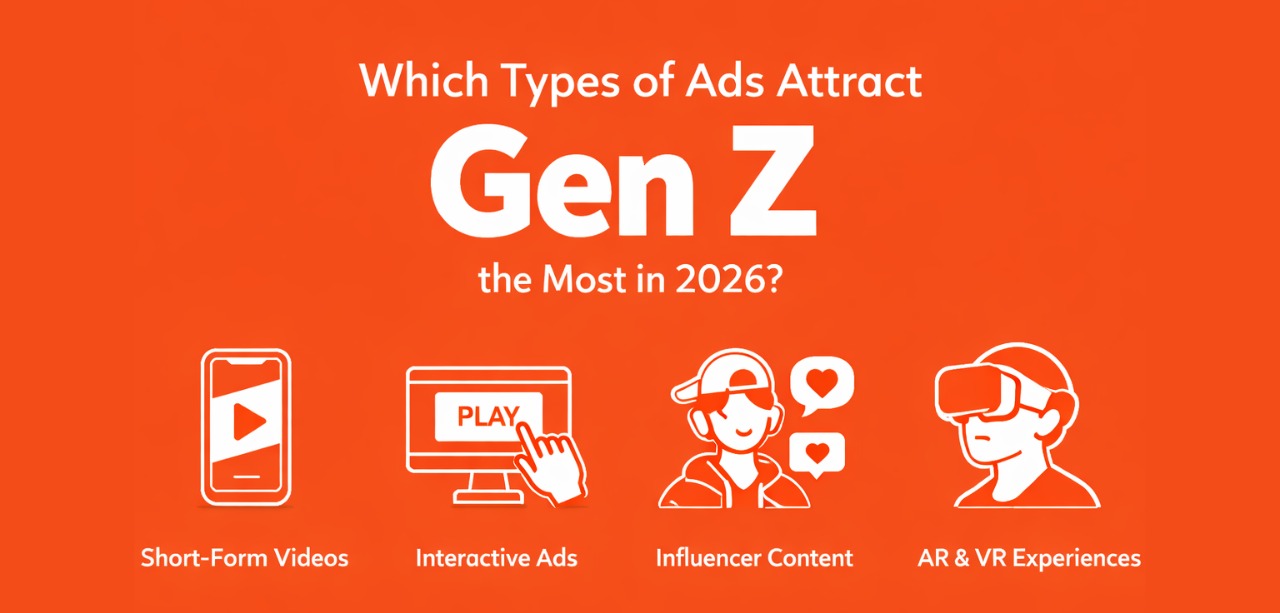
Which Types of Ads Attract Gen Z the Most in 2026?
If your brand is still relying on 30-second TV spots, banner ads, or polished corporate campaigns, you are likely invisible to the most powerful consumer genera

MarTech Trends 2026: The Complete Guide to Marketing Technology Evolution
The marketing technology landscape is experiencing a fundamental transformation. What began as a quest for efficiency through AI has evolved into something far
Ready to Transform Your Advertising Strategy?
Join thousands of advertisers who trust Performoo to optimize their campaigns and maximize revenue.